Vanditha .S1, Mamatha J.1, Sabitha V. Janardhanan2 , Princy Louis Palatty1
1Department of Pharmacology, Amrita Vishwa Vidyapeetham, Health Sciences Campus, Amrita Institute of Medical Sciences, Kochi - 682 041 Kerala, India
2Amrita School of Nursing, Amrita Vishwa Vidyapeetham, Kochi - 682 041 Kerala, India
*Address for Corresponding author
Dr. Princy Louis Palatty
Professor and HOD, Department of Pharmacology,
Amrita Vishwa Vidyapeetham, Health Sciences Campus,
Amrita Institute of Medical Sciences, Kochi - 682 041 Kerala, India
Abstract
Objective: Health care students are thought to have sound scientific basis for health care delivery and for this reason, the study was undertaken to determine the knowledge, frequency and attitude towards the use of home remedies as medicine for the symptom management of minor health complaints. Materials and Methods: A cross-sectional questionnaire study was conducted among second year medical, dental and nursing students of our institution. An endogenous, validated Google form with 20 item questionnaire was developed. A total of 364 students were send the Google form out of which 348 (95.60%) students participated in the survey. Data collection was done through online plat form via Google form after taking approval from ethics committee. Results: From the 96.26% of students who used home remedies, 78.7% students are aware that, home remedies can be used as medicine for treating minor illnesses. 56.1% of students used home remedies for relief of symptoms of minor illness followed by disease prevention (20.5%) and health promotion (20.5%). Safety aspect of home remedies was known to 71.7% of the students. Home remedies are believed to be safe alternative to modern medicine in treating minor illness by 90.4% of the students. Use of home remedies for cosmetic purposes accounts for 78.73% (274) of the students and 94.1 % of the students wish to know more about home remedies. Conclusion: Health education on self medication and use of home remedies and the problems with their usage should be included in the curriculum of the health care students. Adequate knowledge about the use of home remedies should be given from an authentic source to health care students for Holistic and effective therapy. Improved knowledge and awareness about home remedies may result in rationale use and cost effective therapy.
Keywords: Home remedies, relief of symptoms, minor illnesses
Introduction
Medicine has evolved and brought succour to the suffering patient from the nineteenth century in a bigger way .The roots of modern medicine are entrenched in traditional medicine. The use of home remedies for minor illness is an area of health care that has not been extensively studied. Home remedies are, in many cases, a practical alternative to modern medicine as availability of modern medicine is limited as well as expensive (World Neighb Action,1986).
Home remedies are simple measures of self care management of minor illness. It’s a wide spread popular and prevalent self medication practice which gained public acceptance and attention since they are natural and are perceived to have less side effects .Self-medication is defined as the use of medication by a patient on his own initiative or on the advice of a Pharmacist or a lay person instead of consulting a medical practitioner (WHO guidelines, 2000). Home remedies may have or it may not have medicinal properties that cure or treat diseases but many of them are merely used as a part of tradition or habit or to produce a placebo effect .It is also called as granny cure and information about home remedies is often passed along from one generation to another. It is a treatment to cure a disease or aliment that includes certain herbs, spices vegetables, or other ingredients (Sekhri et al., 2013). Home remedies can be any types of products used for a range of purposes in the household. High prevalence of obesity, chronic disorders, pain syndromes and anxiety or desire for good health collectively lead to increased use of home remedies in the present world (Tachjian et al., 2010). So these alternative therapies are quickly gaining importance as they are safe alternatives of natural origin (Walker and Donovan, 1999). Home remedies are widely being used now a days around the world because of less side effects and it could be used inappropriately which could lead to worsening of the illness.
The source of data regarding the use of home remedies are only the potential users and literature suggest that, there is a paucity of studies on self-medication among medical students (James et al., 2006). Health care students are thought to have sound scientific basis for health care delivery and for this reason, the study was undertaken to determine the knowledge, frequency and attitude towards the use of home remedies as medicine for the symptom management of minor health complaints and also to determine self care and non pharmacological practices among health care students.
Materials and methods
A cross-sectional questionnaire study was conducted among second year medical, dental and Nursing students of our institution. Data collection was done through online plat form via Google form after taking approval from ethics committee. Participation in the survey was entirely voluntary, by filling out the questionnaire, by the students who agree to participate in the study.
A standardized questionnaire was developed based on available data and with the available questionnaires about knowledge and use of home remedies, and alternative medicine. This was an endogenously developed, validated Google form with 20 item questionnaire .This questionnaire consisted of three parts. The first part contain Socio demographic data and the second part of the questionnaire includes items about the knowledge of home remedies in general and third part, about the attitude towards the use of home remedies among health care students.
Sample size: Based on the proportion of awareness about the use of home remedies (80%) in patients observed in an earlier publication “Use of home remedies: A cross sectional survey of patients in Germany “with 10% allowable error and 95% confidence, the minimum sample size comes to 96. But in our study we got 348 participants.
Results and disscusion
This study highlights, the students attitude concerning home remedies and their use as an alternative therapy for treating minor illness for themselves and near ones.
The participants of this study includes the second year medical students comprising of 203 students, nursing students were 100 and 61 dental students. A total of 364 students were send the Google form out of which 348(95.60%) students participated in the survey voluntarily. Out of 348 Students, 47.4% were nursing students, 31.6% medical students & 22% were dental students (Figure1).
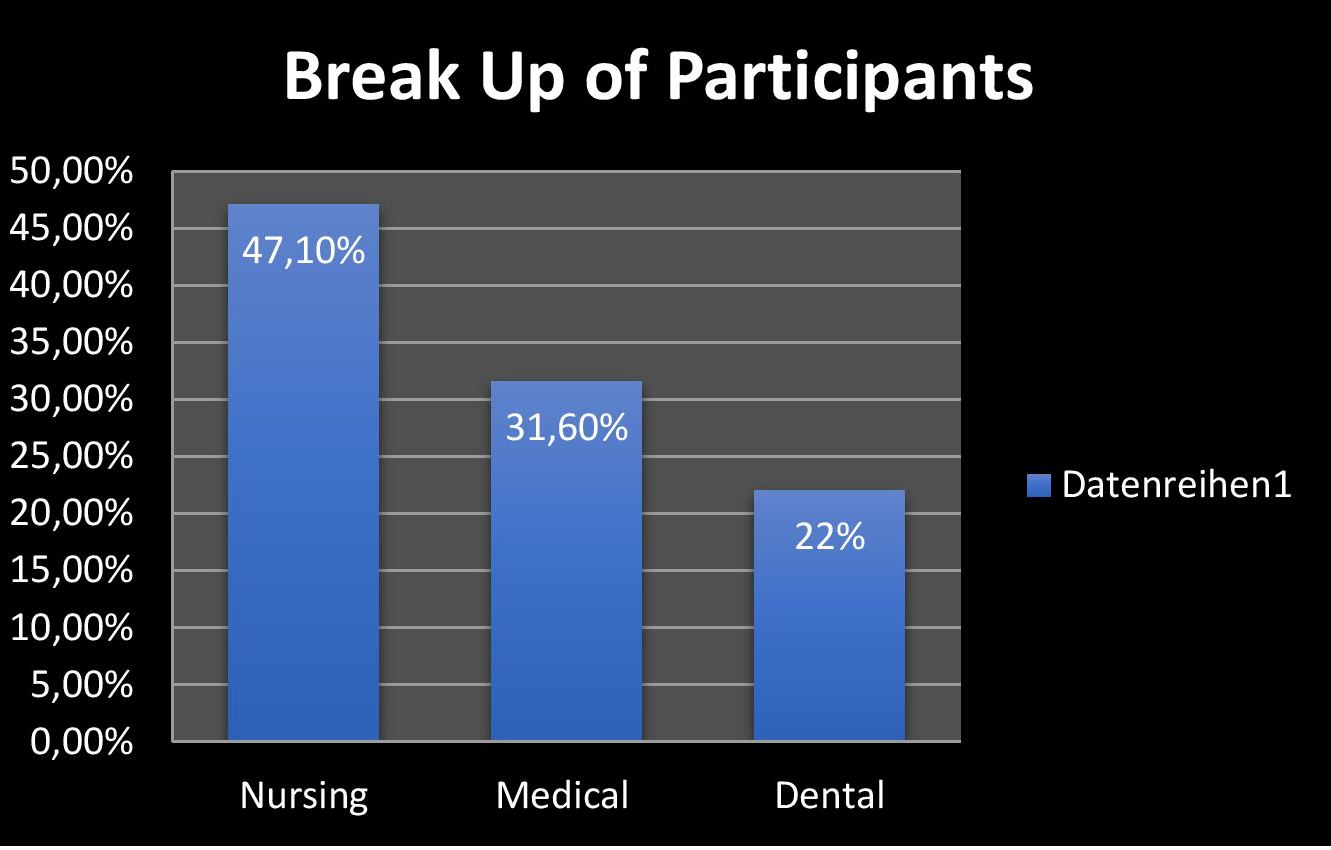
Figure 1. Break up of participants
From the total of 364 students, only 95% participated in the study, of them 22.6% were males and 78.4% of them were females. The study participants had the mean age in years 20.25; the range was from 18 to 24 years.
This study noticed that 96.26% students used home remedies. 56.1% of students used home remedies for relief of symptoms of minor illness followed by disease prevention (20.5%) and health promotion (20.5%) (Figure 2).
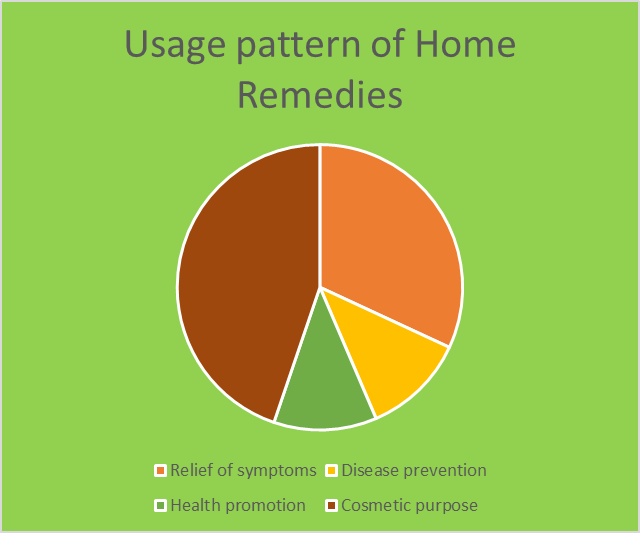
Figure 2. Usage pattern of home remedies
In 1972 an American study reported that 30% of the participants use home remedies for the symptom management of minor illness and the most frequentlyused home remedies are bed rest , Soaking and heating pads etc ( Roghmann et al., 1972).
The most frequently used home remedy by the students who participated in this survey is steam inhalation and ginger, from among the other home remedies such as garlic (1.2%), lemon (9.7), fenugreek (0.6), turmeric (9.6), basil leaves (1.8), honey (2.6), lemon grass and Vinegar etc (Figure 3).
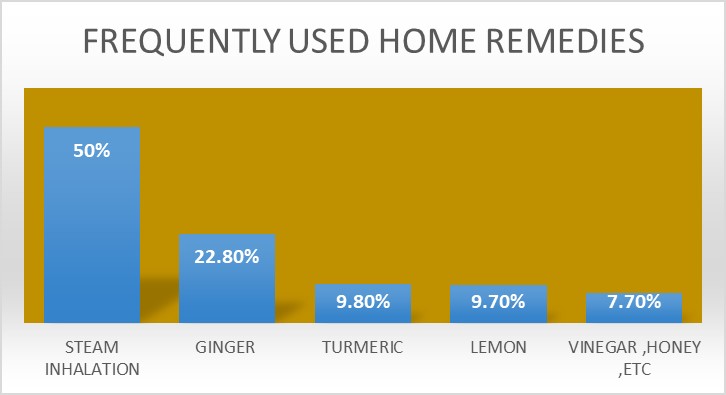
Figure 3. Frequently used home remedies
Self medication occurs for common ailments such as sore throat (29%), cough (21.7), acidity (8.5%), fever (8.80%), Head ache (7.30%) etc.(Figure 4)
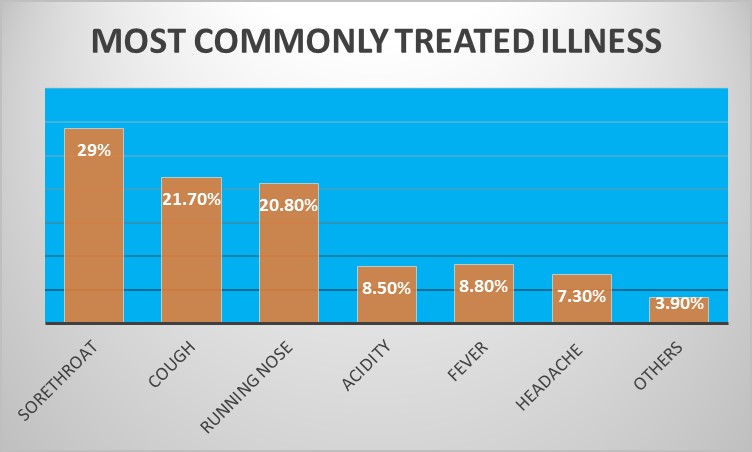
Students frequently used steam inhalation for sorethroat and running nose followed by ginger similar to the study done by Parisius et al., 2014 (Parisius et al., 2014).
The use of ginger shows a statistically significant association in sore throat. There was no statistical significance found, in association with effectiveness of home remedies in condition like cough, headache (Figure 5).
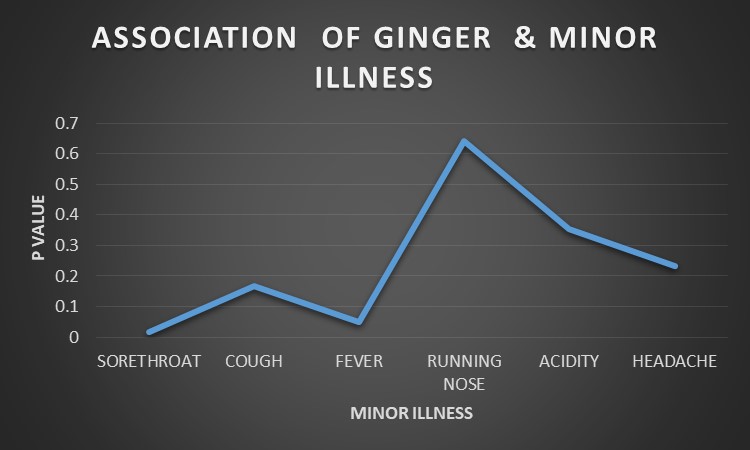
Figure 5. Association of ginger $ minor illness
In our study the commonest sources of information about home remedies were elders at home (64%), followed by mass media (29%), books (5%) and friends (2%) (Figure 6).
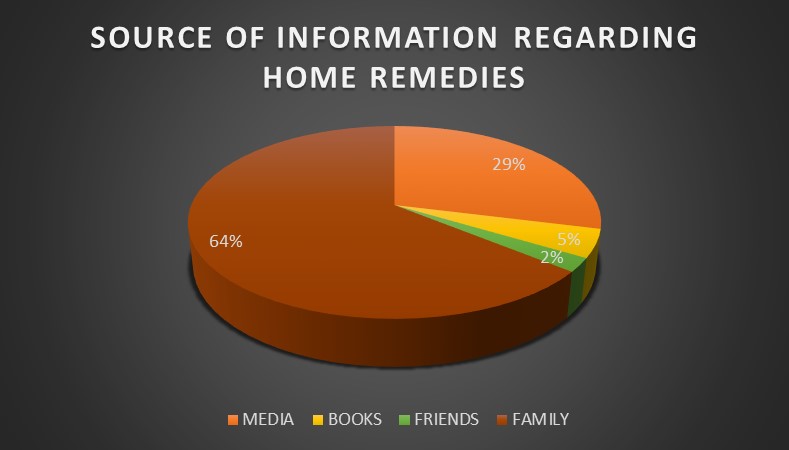
Figure 6. Source of information regarding home remedies
In an article from Joos et al., 2012 patients are seeking information about home remedies more from family members than from their treating physicians (Joos et al., 2012). Family and social connections were the key influences, for the use of traditional remedies (Anwar et al., 2015).
The patients had a desire for their physicians to discuss about the usage of Home remedies along with their other medication which was pointed out in a study done by Parisius, 2014.
The health care students (61%) opined that, they discuss with their physician about taking home remedies but remaining participants do not inform (Figure7).
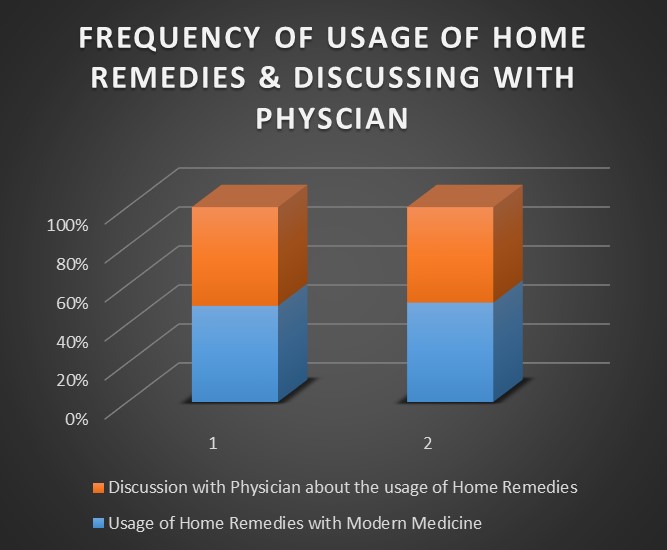
Figure 7. Frequency of usage of home remedies &discussing with physician
Earlier studies suggests that in the course of consultations with patients for treatment of common health problems, physicians may need to advise on the use of home remedies, although typically very little attention is given to this area in medical training (Simon et al., 2009).
However, in a study by Stevenson et al., 2013, it is interestingly noted that physicians are not interested to comment on non pharmacological therapy as they find themselves inadequate and unauthorised. Hence physicians refrained from discussion for an add on treatment with home remedies for minor illness. Some studies pointed out that patient wish to receive advice on the usage of home remedies from physicians (Stevenson et al., 2013). Health professionals have to spend some extra time in educating patients regarding the use of home remedies as it is the first immediate response to most of the minor illness (Hunte and Sultana, 1992; Malik Kundi et al., 1993; Bennadi, 2013)
From the 96.26% of students, who used home remedies, 78.7% students are aware that, home remedies can be used as medicine for treating minor illnesses. The safety aspect of home remedies were known to 71.7% of the students. 88.2% of students find that home remedies are appropriate for treating minor illness. 95.40% experienced the efficacy of using home remedies for minor aliments (Figure8).
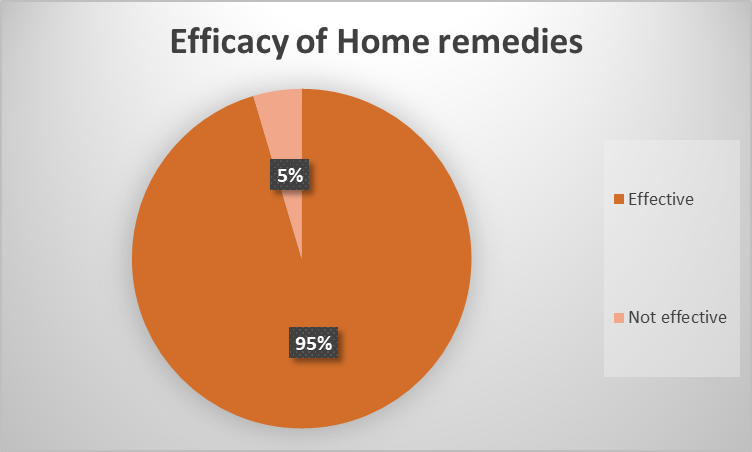
Figure 8. Efficacy of home remedies
Use of home remedies for cosmetic purposes accounts for 78.73% (274) of the students. In this survey it was noted that 94.1 % of the students wish to know more about home remedies. The use of Home remedies is a much overlooked component of self management of minor illnesses in health care. Home remedies are popular due to the lack of side effects and hence used rampantly .Self-medication provides a cheaper and convenient alternative for treating common minor illnesses. (WHO Report, 1995 and Kafle, 1993). In this context, it is ideal to address the patient safety element, as few studies show that interactions may occur with home remedies and other treatments Eg;Cranberries/garlic with warfarin may increases the risk of bleeding (Mohammed et al., 2008; MacKichan et al., 2011). A study done by Ekor M suggests that it is mandatory that the use of herbal medicines should be covered in every country of the world by a drug regulatory framework to ensure that they conform with required standards of safety, quality, and efficacy (Ekor, 2014).
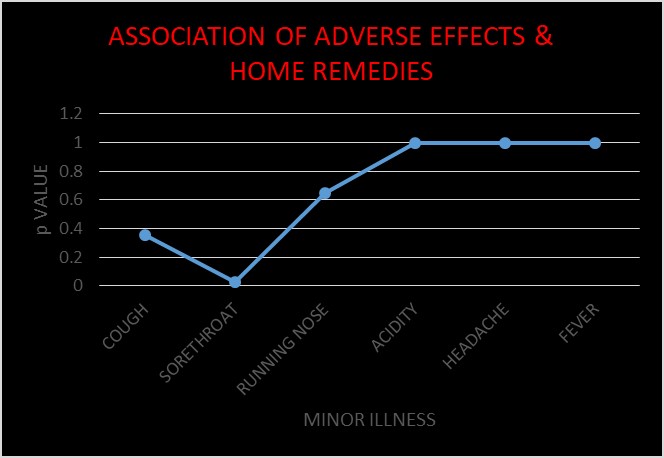
In this study we found that 2.1% of the participants experienced adverse effects from using home remedies.(Figure 9) Adverse effects is statistically significant with sorethroat than other common minor illness for which home remedies are used.
Home remedies are the preferred choice of treatment for minor illness by 64.3% participants because, they believe that home remedies are natural with no or less side effects and are cost effective . Home remedies are believed to be safe alternative to modern medicine in treating minor illness by 90.4% of the students (Figure10).
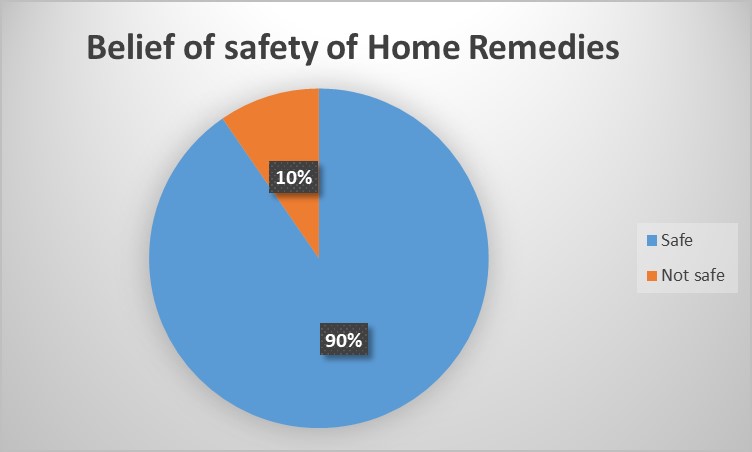
Figure 10. Belief of safety of home remedies
The most important deterrents for self-medication were fear of adverse drug reactions, risk of making a wrong diagnosis and risk of using a wrong drug (Hughes, 2001).
Home remedies can potentially interfere with biomedical treatments. Use of home remedies for longer period without knowledge of exact pathology can cause delay in proper treatment for the patient. So the practice ofusing home remedies for treating minor illness should be done cautiously.
Conclusion
Health education on self medication and use of home remedies and the problems with their usage should be included in the curriculum of the students. Adequate knowledge about the use of home remedies should be given from an authentic source to health care students for Holistic and effective therapy. Home remedies help in mitigating minor ailments which would had otherwise require visit to the doctor. Improved knowledge and awareness about home remedies may result in rationale use and cost effective therapy.
Acknowledgement
The authors would like to express gratitude to the Management & Faculty members of Medical College, Dental college and Nursing college of Amrita Vishwa Vidhyapeedam & students who willingly participated in this study.
Conflict of interest: NIL
References
Anwar M, Green JA, Norris P, Bukhari NI. 2015. Self-medication, home remedies, and spiritual healing: common responses to everyday symptoms in Pakistan. Health Psychology and Behavioral Medicine, 3(1):281–295
Bennadi D. 2014. Self-medication: A current challenge. Journal of Basic and Clinical Pharmacy, 5(1):19
Chan HT, So LT, Li SW, Siu CW, Lau CP, Tse HF. 2011. Effect of Herbal Consumption on Time in Therapeutic Range of Warfarin Therapy in Patients With Atrial Fibrillation. Journal of Cardiovascular Pharmacology, 58(1):87–90.
Ekor M. 2014. “The growing use of herbal medicines: issues relating to adverse reactions and challenges in monitoring safety,” Frontiers in pharmacology, 4:177.
Hughes CM, McElnay JC, Fleming GF. 2001. Benefits and Risks of Self Medication. Drug Safety, 24(14):1027–1037.
Hunte PA, Sultana F. 1992. Health-seeking behavior and the meaning of medications in Balochistan, Pakistan. Social Science & Medicine, online 34(12):1385–1397
James H, Handu SS, Khaja KAJA, Otoom S, Sequeira RP. 2006. Evaluation of the Knowledge, Attitude and Practice of Self-Medication among First-Year Medical Students. Medical Principles and Practice, 15(4):270–275.
Joos S, Glassen K, Musselmann B. 2012. Herbal Medicine in Primary Healthcare in Germany: The Patient’s Perspective. Evidence-Based Complementary and Alternative Medicine, 1–10.
Kafle KK, Gartulla RP. 1993. Self-medication and its impact on essential drugs schemes in Nepal: a sociocultural research project.
MacKichan F, Paterson C, Henley WE, Britten N. 2011. Self-care in people with long term health problems: a community based survey. BMC Family Practice, 12(1).
Malik Kundi MZ, Anjum M, Mull DS, Dennis Mull J. 1993. Maternal perceptions of pneumonia and pneumonia signs in Pakistani children. Social Science & Medicine, 37(5):649–660.
Mohammed Abdul MI, Jiang X, Williams KM, Day RO, Roufogalis BD, Liauw WS, Xu H, McLachlan AJ. 2009. Pharmacodynamic interaction of warfarin with cranberry but not with garlic in healthy subjects. British Journal of Pharmacology, 154(8):1691–1700.
Parisius LM, Stock Schröer B, Berger S, Hermann K, Joos S. 2014. Use of home remedies: a cross-sectional survey of patients in Germany. BMC Family Practice, 15(1).
Roghmann KJ, Haggerty RJ. 1972. The Diary as a Research Instrument in the Study of Health and Illness Behavior: Experiences with a Random Sample of Young Families. Medical Care, 10(2):143–163.
Sekhri K, Bhanwra S, Nandha R. 2013. Herbal products: a survey of students’ perception and knowledge about their medicinal use. International Journal of Basic & Clinical Pharmacology, 2(1):71
Simon C, Everitt H, Van Dorp F, Burkes M. 2014-03. Oxford Handbook of General Practice. Oxford, UK: Oxford University Press.
Stevenson FA, Britten N, Barry CA, Bradley CP, Barber N. 2003. Self-treatment and its discussion in medical consultations: how is medical pluralism managed in practice? Social Science & Medicine, 57(3):513–527.
Tachjian A, Maria V, Jahangir A. 2010. Use of Herbal Products and Potential Interactions in Patients With Cardiovascular Diseases. Journal of the American College of Cardiology, 55(6):515–525.
Walker PS, Donovan JA. 1999. Herbal remedies: natural caveats. International Journal of Dermatology, 38(10):746–748.
World Health Organization:Report of the WHO Expert Committee on National Drug Policies 1995. World Neighbors 1986. Home remedies: health care at the doorstep. World Neighbors in action, 18(2E):1–4.