Komola A. Kakhorovaa*, Zaynat S. Khashimovaa, Ekaterina O. Terentevab
aInstitute of Bioorganic Chemistry, Uzbek Academy of Sciences, M. Ulughbek Str. 83, 100125 Tashkent, Uzbekistan.
bInstitute of the Chemistry of Plant Substances, Uzbek Academy of Sciences, M. Ulughbek Str. 77, 100170 Tashkent, Uzbekistan.
*Corresponding author
Komola A. Kakhorova
Institute of Bioorganic Chemistry,
Uzbek Academy of Sciences, M. Ulughbek Str. 83, 100125 Tashkent, Uzbekistan.
Abstract
Objective: Lectins are of high interest among glycoproteins, functionally vital proteins of both plant and animal cells. Lectin-like proteins (LLP) from phytoparasites are not much explored. The work was initiated to study cytotoxic and antioxidant activities of lectin-like glycoproteins isolated from the dodder (Cuscuta europaea). Material and methods: LLP were isolated from the seeds of the plant by extraction with phosphate buffer solution with subsequent gradient precipitation with 20% and 50% ammonium sulfate. After centrifugation the supernatants: S20 and S50, as well as LLP20 and LLP50 precipitations were dialyzed against the distilled water. The fractions have been established to manifest the highest hemagglutinating activity. The carbohydrate specificity was studied in these fractions to demonstrate LLP50 glucose- and mannose-specificity. Cytotoxic activity of LLP was assessed biochemically in B-16 (skin cancer) and C127 (breast cancer) cell cultures by MTT (3-(4,5-dimethylthiazol-2yl)-2,5-diphenyl-2H-tetrazolium bromide) method and calculation of viable cells, and morphologically. Results: Comparative analysis of cytotoxic effect produced by various LLP fractions on B-16 and C-127 cells demonstrated the most pronounced cytotoxic effect of the proteins in B-16 cells, that melanoma B-16 cells are more sensitive to Cuscuta europaea LLP influence. S20 and LLP20 fractions of dodder showed little antioxidant properties reducing the level of MDA, and also activating antioxidant protective enzymes - superoxide dismutase. Conclusions: Thus, we isolated and characterized LLP form Cuscuta europaea, as well as demonstrated cytotoxic effect of LLP20 and LLP50 on C127 and B-16 cells. For the first time cytotoxic and antioxidant activities of LLP from dodder plant Cuscuta europaea was studied.
Keywords: Cuscuta europaea, cytotoxic activity, antioxidant activity, lectin-like glycoproteins
Introduction
Lectins are functionally vital proteins possessing a wide spectrum of actions and, thus, stimulating researchers for exploring novel resources for their isolation (Lis et al., 1993; Dwek, 1996). Lectins of vegetable origin are well known for their cytotoxic effects (Lord, 1987). Cytotoxic and anticancer activities of LLP of the phytoparasites are not well established. Cytotoxins of protein nature, such as viscotoxins and purotoxins isolated from mistletoe (Viscum album) are known to actively suppress growth of cancer cells in tissue cultures (Du X-Mkohinata et al., 1998; Miyahara et al., 1996).
Cuscutae phytoparasites are of interest due to their use in treatment of various tumors to be mentioned in Tibetan annals and folk medicine receipts (Anis et al., 1999). Anti-tumor substances with glycoside-like nature were found in the dodder’s (Cuscuta chinensis) extracts (Du X-Mkhohinata et al., 1998).
In Central Asia and Kazakhstan were found more than 25 species of dodder plant. Seeds of some of them contain asponin, a poisonous agent. The dodder evoked our interest due to necessity of highly cytotoxic agent efficient against cancer cells for further production of a tumor-addressed therapeutic. Cuscuta pentagona extract was found to have cytotoxic effects on breast cancer cells in cell culture (Ahmadi et al., 2014). Besides Cuscuta campestris Juncker can be used to inhibit POL processes in rat liver microsomes (Kala et al.,2004).
We aimed to study cytotoxic and antioxidant activities of LLP of the dodder since its crude extracts possessed these biological activities.
Materials and methods
Isolation of Lectin-like proteins
We used the seeds of dodder (Cuscuta europaea) parasitizing on meadows grasses. Lectin-like proteins (LLP) were isolated from the seeds according to (Zhelev et al., 1994). For that air-dried raw material was ground up and extracted with ten parts (m/v) of phosphate-buffer (pH 7.7) containing 0.1 M NaCl, for 2 hours, and aliquot was taken to use it as total fraction (Σ). The extract was centrifuged for 20 minutes at 5,000 rpm. After centrifugation the supernatants (total proteins) were subjected to gradient precipitation with ammonium sulfate; one part was precipitated by ammonium sulfate to the final concentration of 20%, the second part to the final concentration of 50%. After centrifugation the supernatants: S20 and S50, as well as LLP20 and LLP50 precipitations were dialyzed against the distilled water. All the protein fractions were lyophilized.
Concentrations of protein were measured by Lowry method (Lowry et al., 1951); total sugars were determined by anthrone-sulfuric method (Khashimova et al., 1999).
Hemagglutinating activity
Activity of lectins was assessed by hemagglutination reaction in immunological plates. 0.05 ml of a physiological solution was placed to each well of the plate and mixed with 0.05 protein fractions for twofold dilutions. After that 0.05 ml of 2% suspension of rabbit erythrocytes was added to each well, the plate was incubated at 25°C for 2 hours. Concanavalin A was used as control. Hemagglutination was assessed visually with 5-score scale according to Pospelov (Pospelov, 2012).
Carbohydrate specificity
Carbohydrate specificity was also measured by Pospelov method (Pospelov, 2012). Lectin fractions were placed into immunological plate, mixed with equal volumes of carbohydrates in the serial twofold dilutions; the system was incubated for 1 hour at the room temperature. After that, volume of a 2% suspension of thrice washed erythrocytes equal to the initial one of lectins was added to each well to let stay at 25°C for 1-2 hours. Hemagglutination reaction with lectins was similarly set up without a carbohydrate-inhibitor.
Assessment of cytotoxic activity by MTT-test, calculation of viable cells and morphological method
To assess cytotoxic effect of the proteins melanoma B-16 (skin cancer) and C127 (breast cancer) cells were disseminated in 96-well plates in amounts of 20,000-30,000 of cells/ml in 100 μl of DMEM with 10% fetal bovine serum to be cultivated at 37°C in CO2 incubator. In 24 hours the proteins in the doses of 100, 10 and 1 μg/ml in 100 μl of the medium were added to cells to be cultivated for 24 hours, to be subsequently mixed with 3-(4,5-dimethylthiazol-2yl)-2,5-diphenyl-2H-tetrazolium bromide (MTT) for viable cells to be found. After one-hour incubation the medium was decanted with care to add DMSO and incubated for 20 minutes; optical density of the solution was measured at 620 nm (En Spire Multimedia Reader 2300, Singapore).
To establish suppression of cell growth, viable cells were calculated. The cells were discarded with EDTA, stained with trypan blue and calculated by means of microscope with lens x 10, ocular x 10 (inverting microscope “Leica”, Germany). For morphological study B-16 cells were disseminated into 24-well dishes in the amounts of 20,000-30,000 cells/ml in 500 μl of DMEM with 10% fetal bovine serum to be cultivated at 37°C in CO2 incubator. All the fractions in 100 μg/ml concentrations were mixed with 500 μl medium and cultivated for 24 h. The medium was removed;the cells were fixed according to Shabadash (Shabadash et al., 1949). The preparations were stained with hematoxylin by Mayer (Mayer, 1903) and counterstained with 0.1% eosin sprit soluble to visualize with microscope.
Determination of superoxide dismutase: Method proposed by Ewing and Janero (Ewing and Janero, 1995) based on the reaction of O2 with NBT which appear as a result of dyed products. O2 is formed in the nonenzymatic reduction reaction of phenazine methasulfate NADH, which acts as an electron donor. NBT has yellow color, and in the recovery process turns into a dark blue product. Control sample containes1875μl EDTA 10mM, 10μl NBT 93 mM, 10μl NADH 147 mM, and 1460 μl PBS buffer and 1μl PMS. And is measured at λ = 540nmfor 10 min every 30 sec. Experimental sample containes1875 μl EDTA 10 mM, 10μl NBT 93 mM, 10μl NADH 147 mM, 1450μl PBS. Then 10μl of testing sample incubate for 5 minutes and then added 1μl PMS 4.95 mM and measure the absorbance at λ = 540 nm 10 min against PBS. E = (100 – (D tested x100) / D control))/ 50 x contain of protein in the sample. The activity of SOD was expressed in y.e. /mg of protein.
Induction of lipid peroxidation Induction of non-enzymatic Fe2+ / ascorbate - dependent lipid peroxidation was carried out by addition of 10-5 M FeSO4 and 2×10⁻⁴ M ascorbate into incubation medium containing 125 mM KCl, 10 mM Tris-HCl, pH = 75 and suspense of mitochondria in ratio of 0.5 mg protein per 1 ml of incubation medium. In the case of liposomes the lipid content was 2 mg per ml of medium. Incubation was carried out at 37°C in water bath with constant stirring. The reaction with mitochondria was quenched with adding of 150 μl of 70% trichloroacetic acid (3.5%), and liposomes – 15 μl of 10 mM EDTA (50 μM). The incubation mixture was centrifuged and the supernatant was examined for MDA content.
Determination of the amount of malondialdehyde (MDA) in the reaction with TBA (thiobarbituric acid): Method is based on a color reaction between MDA and TBA that occurs at high temperature and acidic pH with formation of a complex containing one molecule of MDA and two molecules of TBA. 1 ml of 0.7% TBA (TBA 70 mg dissolved in 5 ml of distilled water under heating and after cooling, was added 5 ml of glacial acetic acid (CH3COOH) was added to 2 ml of the supernatant. Samples were heated for 15 min in a boiling water bath. After cooling, the sample volume was to 3 ml and measured on colorimeter KFK-2MP at 540 nm. The quantity of MDA was determined using a molar extinction coefficient value equal to 1.56×10⁵M- 1 cm-1.The concentration of MDA was expressed in μM MDA/mg of protein or lipid. Control was model system without tested substances (Stalnaya and Garishvili, 1977).
Statistical analysis
Statistical analyses were performed in Origin 8.3. P values higher than 0.01 were used for calculations.
Results and discussion
Previously, we have studied cancerolytic activity of extracts from various species of the dodder growing in the Central Asia. Three species of the dodder, Cuscuta chinensis, Cuscuta lupuliformis and Cuscuta attenuate, parasitizing on the meadow grasses, osiers and fruiting shrubs, respectively, were used to get the extracts. The extracts from various species of the dodder were shown to possess cytotoxic activity in the tissue cultures (from 40 to 80% of skin cancer cell growth suppression) (Kuznetsova et al., 2009).
All protein fractions obtained in the work as above described were further investigated for their hemagglutinating activity and carbohydrate specificity of the fractions, as well as their effect on regulation of thymocyte amounts under hypoosmotic stress. LLP20 and LLP50 were found to demonstrate the highest hemagglutinating activity. LLP50 demonstrated specificity to glucose and mannose (Kakharova, 2014). For the first time, we managed to demonstrate effect the LLP from the dodder on regulation of thymocyte amounts under hypoosmotic stress (Kakharova et al., 2015).
Study on the level of synthesis of the essential cell biopolymers, such as nucleic acids and proteins, is an approach to assessment of biological activity and character the effects produced by novel protein-like agents. Cell culture is the most suitable model for the study of biological activities (Freshney, 2006).
We studied cytotoxic activity of a glycoprotein (LLP) isolated from the dodder in various cell systems – skin (B-16) and breast (C127) cancers. The data are provided in figure 1.
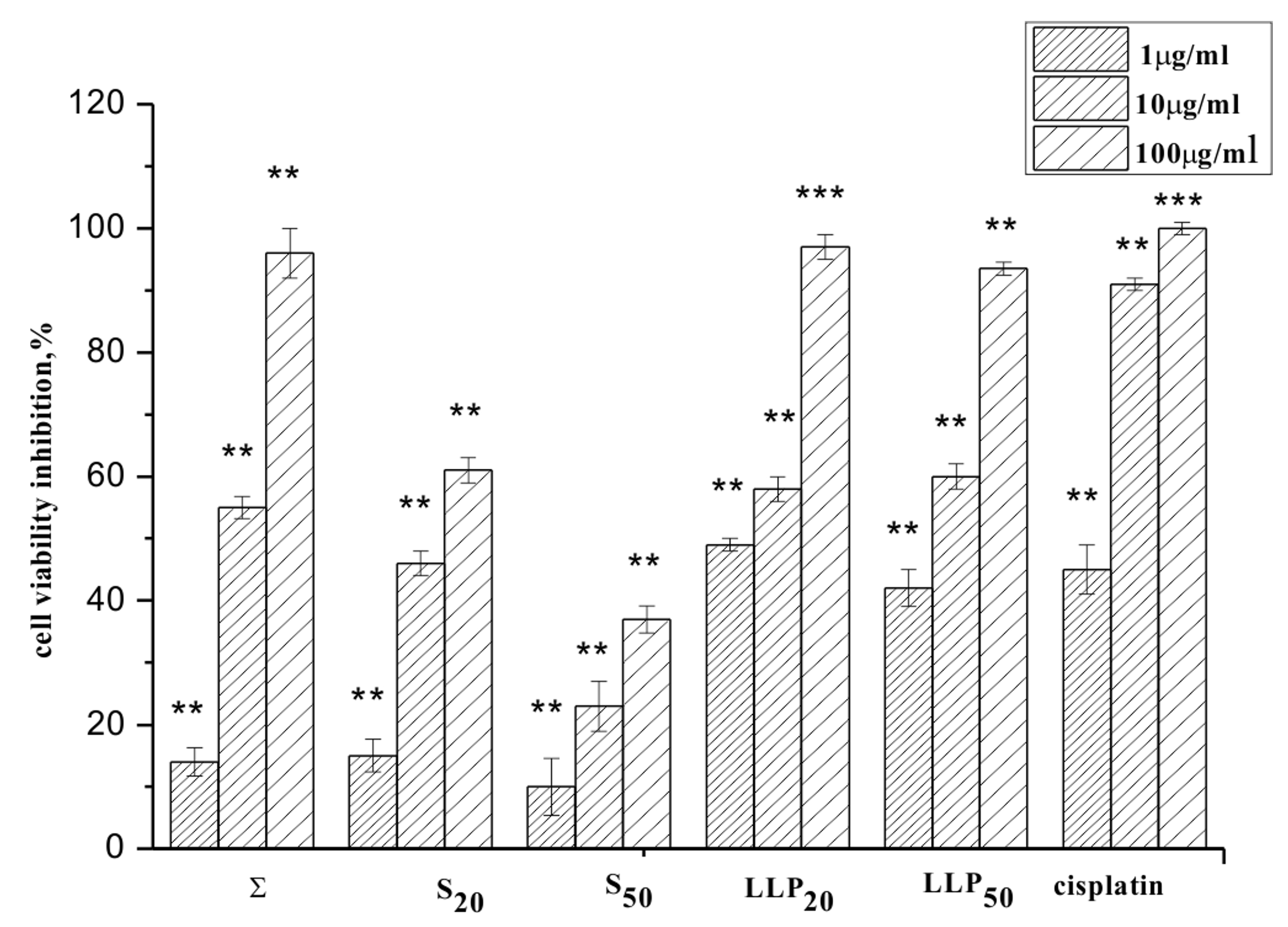
Figure 1. Effect of Cuscuta europaea glycoproteins on B-16 cell culture (**P<0.01; ***P<0.001; n=5)
Cells not affected by the agents served as the controls, where MTT inclusion into the cells was found 100% (100% of viable cells). Cisplatin was used as a positive control indicating cell sensitivity to the effect of the preparations.
As shown in Figure 1, Cuscuta europaea protein fractions produce various effects on cell tissues. Total fraction and LLP20 and LLP50 were found to produce the highest cytotoxic activity, 96%, 97% and 93%, respectively, with the protein dose of 100 μg/ml; 50% toxicity was seen in the fractions with the protein dose of 10 μg/ml. Similar findings could be seen upon calculation of the cells stained with trypan blue. Cisplatin was used as positive control. In 100 µl concentration Σ, LLP20 LLP50 demonstrated similar effects with cisplatin. Even though Σ had similar effects as purified protein fractions since the other biologically active compounds might have affected the influence.
The cytotoxic activity of the proteins in C-127 cells was studied, as well. The data are reported in figure 2.
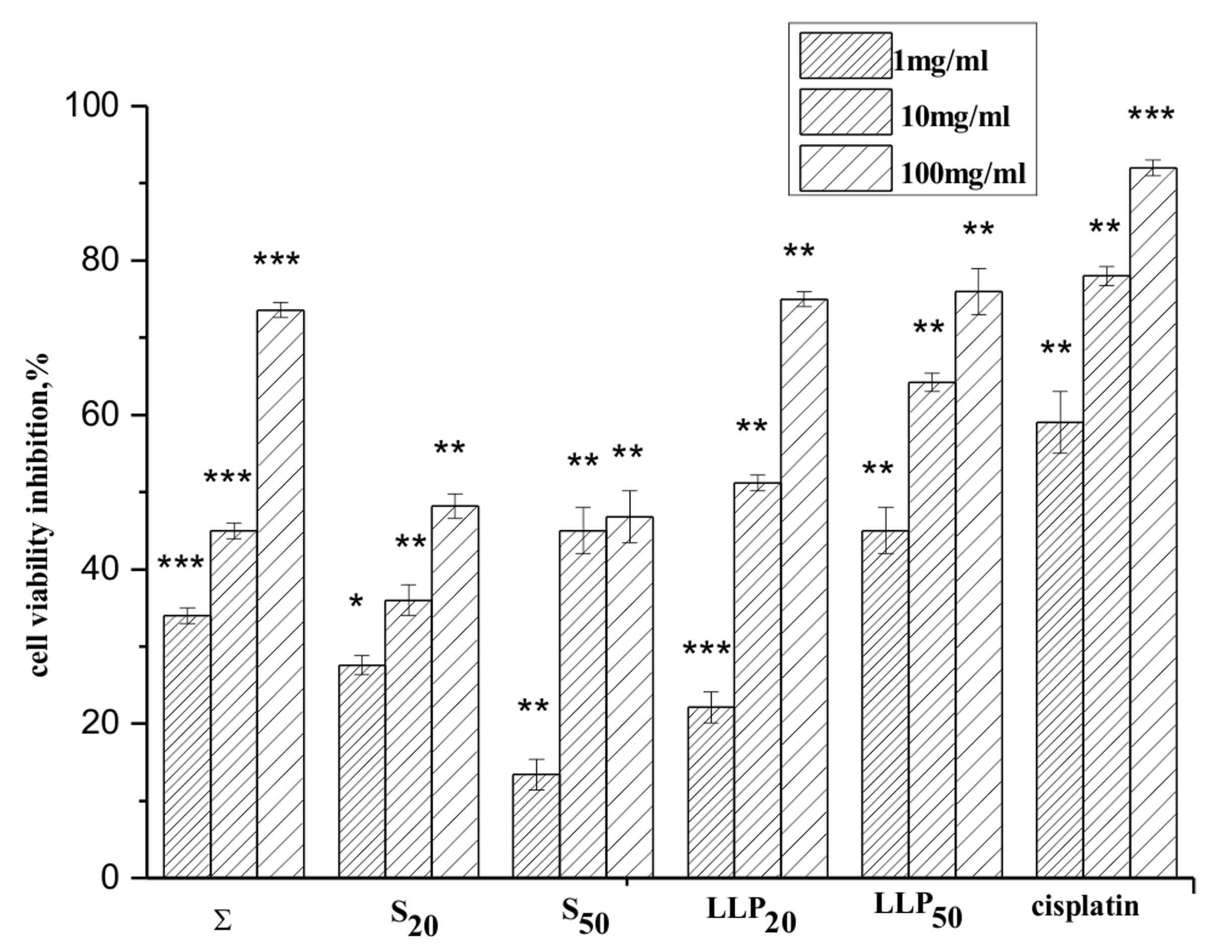
Figure 2. Effect of Cuscuta europaea glycoproteins on С127 cell culture (*P<0.05; **P<0.01; ***P<0.001; n=5).
As shown in figure 1 and 2, two Cuscuta europaea protein fractions produce various effects on cells. Total fraction and LLP20 and LLP50 were found to produce the highest cytotoxic activity, 73.6%, 75% and 76%, respectively, with the protein dose of 100 μg/ml. Similar findings could be seen upon calculation of the cells stained with trypan blue. Comparative analysis of cytotoxic effect produced by various LLP fractions on B-16 and C-127 cells demonstrated the most pronounced cytotoxic effect of the proteins in B-16 cells, that melanoma B-16 cells are more sensitive to Cuscuta europaea LLP influence. Monolayer of B-16 cells under effect of the proteins was studied morphologically.
Manifestations of cytotoxic effects are shown in figures 3 and 4.
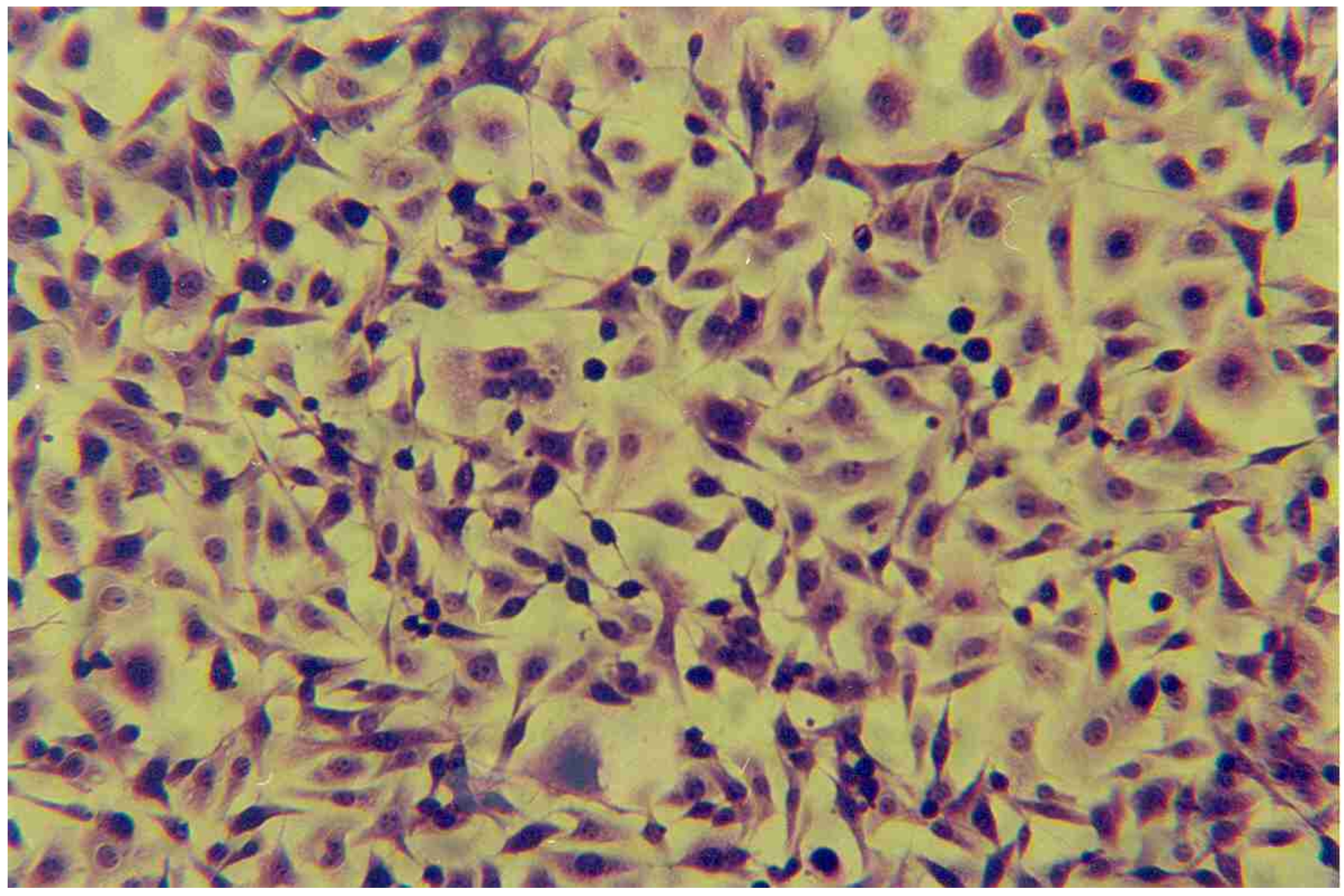
Figure 3. Melanoma B-16 cell culture (control).
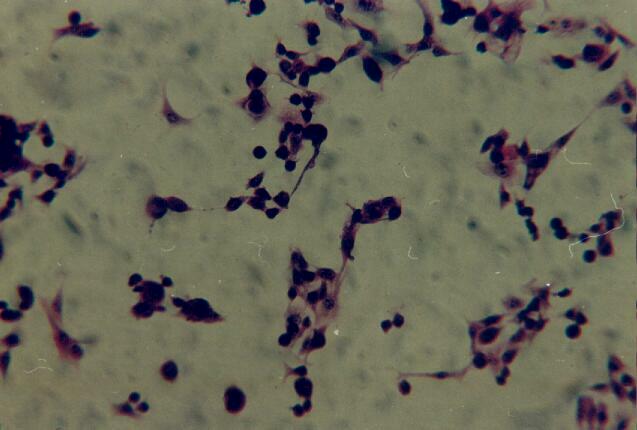 Figure 4. Cytotoxic activity under LLP50 effect.
Significant depletion of viable cell monolayer could be seen in analysis of the stained cell preparations (Figure 4). Isolated islands of viable cells and dead cell areas could be seen to confirm our findings in cytotoxic effect of Cuscuta europaea on B-16 cells. We observed 97% dead cells in culture after treatment with LLP50 as shown in Figure 4. Cells fell into deformation, and nuclear morphology analysis showed characteristic apoptotic cells. The untreated cells demonstrated normal nuclei (Figure 3). Cells treated with LLP50 indicated apoptotic bodies resulting in chromatin condensation and fragmentation of nuclei (Figure 4). Since lectins are carbohydrate-binding proteins they can serve as therapeutic agents directed to exact targets. However, LLPs can be degraded by enzymes in digestive system (Antonyuk, 2014), similar cytotoxic effects of LLPs on cancer cells may not be revealed as it is given orally. Therefore, local usage as inhalants and ointment is preferable. Ointment containing 0.1% LLPs isolated from Agaricus bisporus has had high efficiencies on patients with psoriasis. Thus, LLP fraction can be used in the composition of ointments, in the future. Researches revealed clinical effects of 0.1% lectins in psoriatic patients (Parslew et al, 2016). Lectin isolated from Cuscuta europea in this work showed cytotoxic effects on B-16. Thus it can be effectively used as ointments to treat skin cancers.
Antioxidant activity
We have investigated an antioxidant activity of these compounds. In particular changes of activity of as malondialdehyde (MDA) and superoxide dismutase (SOD) were observed. Malondialdehyde is one of indicators of lipid peroxidation, it is a cleavage product of fatty acids. The aldehyde forms a Schiff base with amino groups of proteins, resulting in formation of insoluble complexes of lipid-proteins. MDA is also able to react with DNA to form DNA-adducts. On the rate of formation of malondialdehyde it is possible to define the damage degree of cell structures (Table 1).
Table 1: The content of malondialdehyde (MDA), μM/mg in mouse liver homogenate.
|
Substances |
MDA content (µM/mg) |
|
|
100µg/ml |
10µg/ml |
|
|
∑ fraction |
7,9±1,2 |
10.8±1,1 |
|
S20 |
14.7±0,8 |
3,8±0,76 |
|
S50 |
9.0±1,1 |
3,6±0,8 |
|
LLP20 |
13.0±0,9 |
3,8±1,3 |
|
LLP50 |
7±1,2 |
4,3±1,2 |
|
Quercetin |
4,3±0,82 |
4,5±1,0 |
|
Control |
13,7±1,5 |
|
As can be seen from table 1, the flavonoid quercetin was the comparative drug. At the concentration of 100μg/ml, quercetin reduced the malonic dialdehyde (MDA) content and was 68.6 % compared to the control. On exposure to 100 μg / ml total proteins of Cuscuta europea plant, the MDA content was 42 % lower than in the control. The total fraction and fraction of LLP50 at 100μg/ml showed antioxidant activity reducing the content of malonic dialdehyde by 34 and 49 %, respectively. With decrease in the concentration up to 10 μg / ml, antioxidant activity not only did not persist, but increased also - 73.7 and 67%, respectively. It is likely that an increase in the activity of proteins with a decrease in their concentration is due to conformational rearrangements and, as a consequence, an increase in the accessibility to the membrane. It is interesting to note that the fractions S20 and LLP20 exhibited a similar effect. If MDA content was 5% lower than in the control under the action of supernatant at concentration of 100 μg / ml, and when the supernatant was exposed, an insignificant pro-oxidant activity was observed (the malonic dialdehyde content was higher by 7 %) while reducing the protein concentrations to 10 mg / ml, MDA content was the same and comprised 27.7 % of the control.
Thus, LLP20 demonstrated the greatest antioxidant activity in all used concentrations. The activity of superoxide dismutase (SOD) was evaluated by inhibiting the rate of reduction of nitroblue tetrazolium superoxide anion radical generated in the phenazinmetasulfate – NADH system. It was shown that among the LLP20 and LLP50, the total proteins as well as fractions of S20 and LLP20 were the most active with respect to superoxide dismutase.
Conclusion
Thus, we isolated and characterized LLP from Cuscuta europaea, as well as demonstrated cytotoxic effect of LLP20 and LLP50 on C127 and B-16 cells. We demonstrated for the first time that the total protein fraction as well as the S20 and LLP20 of dodder showed little antioxidant properties reducing the level of MDA, and also activating antioxidant protective enzyme - superoxide dismutase.
Acnowledgement
This work is done according to the applied grant (P3-20171024153) of Academy of Sciences of Uzbekistan with funding from the state of Uzbekistan.
Conflicts of interest
The authors declare no conflict of interest.
References
Ahmadi R, Sadri M, Asgari V, Mahdavi E. 2014. Effects of Cuscuta pentagona Extract on Breast Cancer Cells in Cell Culture. International Conference on Chemical, Environment & Biological Sciences (CEBS-2014). Kuala Lumpur (Malaysia).
Anis E, Mustafa G, Ahmed Nisarullah S, Badar Y. 1999. Sterols and Sterol Glycosides from Cuscuta reflexa. Natural Product Sciences, 5(3):124-126.
Antonyuk VA. 2014. Role of lectins as biologically active substances in pharmaceutical drugs[in Russian]. Pharmacokinetics and Pharmacodynamics, 1:14-20.
Du XM , Kohinata K, Kawasaki T, Guo Y, Miyahara K. 1998. Components of the ether-insoluble resin glycoside-like fraction from Cuscuta chinensis. Phytochemistry, 48(5):843-850.
Dwek BA, 1996. Glycobiology: toward understanding the function of sugars. Chemical. Reviews, 96(2):683-720.
Ewing JF, Janero DR. 1995. Microplate superoxide dismutase assay employing a nonenzymatic superoxide generator. Analytical Biochemistry, 232(2):243-248.
Freshney RI. 2006. Basic Principles of Cell Culture; In Culture of Cells for Tissue Engineering, Ch. 1 eds. John Wiley & Sons, Hoboken, NJ, pp 4-22.
Kakharova KA, Khashimova ZS, Sagdiev NZh, Rustamova SI, Sabirov RZ. 2015. Influence of glycoproteins of dodder on the regulation of the volume of thymocytes in hypoosmotic stress [in Russian]. Uzbek Biological Journal, 3:3-5.
Kakharova KA. 2014. Hemagglutinizing activity of glycoproteins from Cuscuta eurpoeae seeds [in Russian]. Uzbek Biological Journal, 5:3-5.
Kala CP, Farooquee NA. 2004. Dhar U. Prioritization of medicinal plants on the basis of available knowledge, existing practices and use value status in Uttaranchal, India. Biodiversity and Conservation, 13(2):453-469.
Khashimova ZS, Mangutova Yu S, Leontiev V B.1999. Structurally functional study of cotton glycoproteins[in Russian]. Chemistry of Natural Compounds, 3:376-384.
Kuznetsova NN, Khashimova ZS, Mavlonov G, Kadryaeva G. 2009. Biological activity of dodder components [in Russian]. Conf. Actual problems of chemistry of natural compounds, Tashkent.
Lis H, Sharon N. 1993. Protein glycosylation. Structural and functional aspects. European Journal of Biochemistr, 218(1):1-27.
Lord JM. 1987. The use of cytotoxic plant lectins in cancer therapy. Plant Physiology, 85(1):1-3.
Lowry O, Rosenbroung R, Parr A, Randall RI. 1951. Protein measurement with the folin phenol reagent. The Journal of Biological Chemistry, 193(1):265-269.
Mayer P. 1903. Notiz über Hämateïn und Hämalaun. Zeitschrift für wissenschaftliche Mikroskopie und für mikroskopische. Technick, 20:409.
Miyahara K, Du X-M, Watanabe M, Sugiura C, Yahara S, Nohara T. 1996. Resin glycocides. XXIII Two novel acylated trisaccharides related to resin glycoside from the seeds of Cuscuta chinensis. Chemical and Pharmaceutical Bulletin, 44(1):488.
Parslew R, Jones KT, Rhodes JM, Sharpe GR. 1999. The antiproliferative effect of lectin from the edible mushroom (Agaricus bisporus) on human keratinocytes. British Journal of Dermatology, 140(1):56-60.
Pospelov SV. 2012. Lectins of representatives of the genus Echinacea (Echinacea mjench.). Methodical aspects of activity evaluation [in Russian].Chemistry of Plant Raw Materials, 3:143-148.
Shabadash АА. 1949. Histochemistry of the glycogen of the nervous system. Pp 245.
Stalnaya ID, Garishvili TG. 1977. Determination method of malone dialdehyde by thiobarbituric acid [in Russian]. Modern Methods in Biochemistry, pp. 66-68, Moscow.
Zhelev ZhD, Spaska AS, Brian G. 1994. Isolation, partial characterization and complement inhibiting activity of a new glycoprotein from Cuscuta europea. BBRC, 202(1):186-194.