Rani Mansuri*, Anupama Diwan, Neha Bhamboo, Akash Lodhi
Dept. of Pharmaceutical Sciences, Apeejay Stya University, Gurgaon, India
*Address for Corresponding author:
Rani Mansuri
Dept. of Pharmaceutical Sciences, Apeejay Stya University, Gurgaon, India.
Abstract
The emerging trends of pathogens like, Chikungunya virus, Hendra virus, Dengue virus, Nipah virus, SARS virus, Salmonellosis, brucellosis, Arcobacter infection, Swine flu, Campylobacter, Middle East Respiratory Syndrome, West Nile virus, SARS-Corona virus since the past 50 years and recently emergence of COVID-19 pandemic disease caused due to novel corona virus in last the month of 2019 in Wuhan city of China and outbreak to the globe and the unavailability of efficient chemotherapy and vaccines, make the whole world to find out new chemotherapy to combat with such pathogenic infectious diseases. This pandemic situation is strongly admiring the acceptance of immunomodulatory drugs as a part of routine diet as well as a drug regimen in the management and treatment of pathogenic infectious diseases. The present report contains the details of potential herbal traditional medicines which have records to been used in ethnic medicines and scientifically reported of significantly boosting the human immune system. The current article might be a good source of information for the researchers and practitioners working in the related fields.
Keywords: Immunity, pathogenic infections, phytotherapy, COVID-19
Introduction
Pathogens of human and animals are co-existing for a long time but the continuous change in environment, human lifestyle, habitat, and global scenario has altered the cellular structure of human and animal population which further, creating the risk of new diseases and enhancing the existing diseases infections are the most serious concern of human health. The last several years have seen a rise in emerging infectious pathogens like Chikungunya virus, Dengue virus, Hendra virus, Nipah virus, Salmonella, Brucella, Arcobacter, HIV, Swine flu, Campylobacter, Middle East Respiratory Syndrome, SARS-corona in humans (Jones et al., 2008). Recently, the emergence of the novel corona virus which outbreaks COVID-19 starting from China to the globe infected 43,38,658 number of the population along with 29,7119 deaths and have potentially caused a serious threat to human health and economic impacts (Woolhouse, Haydon et al. 2005). Due to a lack of efficient chemotherapy or vaccine, COVID-19 became a deadly disease throughout the globe. Affected countries have announced the lockdown and social distancing to control community spread and mortality (Zhang, Jiang et al. 2020). Several new or genetically modified pathogens had been emerged and caused mortality. The emerging trend of pathogens indicates serious emerging virus threats in future. A strong immune system can make the human body fight against pathogenic threats.
Immunity is the natural defense system of the body that works against different types of harmful diseases and infection (Calder 2013). There are two types of immune mechanism, the first one is a short-term mechanism named innate mechanism and the other one is an adaptive mechanism. Short term mechanism is the first-line defense of the body while the adaptive mechanism is known for its memory, complexity and diversity(Calder 2013). Humoral immune response and cell-mediated cytotoxic response are two subtypes of the adaptive immune system. The humoral immune response is works by B lymphocytes while the cytotoxic response works by T lymphocyte. All the working cell of the immune system are arising from bone marrow by hematopoiesis with the help of stem cells which are also derived from bone marrow. (Sharma, Kumar et al. 2017) A certain group of soluble extracellular proteins or glycoproteins named cytokines are the key mediator that plays an important role in the interaction between the specialized cells of the immune system. Cytokines work in the form of interleukins (ILs), interferons, and chemokines. By intermolecular cross talks, these cytokines maintain physiological stability through their secretion in all nucleated cells by the inducible response to injury (Ferreira, Borba et al. 2018). Direct interaction of different types of cells like B and T lymphocytes, T helper (Th) cells, natural killer cells and myeloid cells: Neutrophils, Basophils, Macrophage and Monocytes and by-products of synthesis which they secrete like (immunoglobins, cytokines: interleukins, interferons, colony-stimulating factors, growth factors) strongly controlled the immune response of the immune system (Cano and Lopera 2013). Innate immunity and Adaptive immunity work together for the overall protection of the body. Innate immunity is found in vertebrates, invertebrates and plants but adaptive immunity is only found in invertebrates. Innate immunity is incapable of immunological memory and bears an antigen-independent defense mechanism that is immediately activated within a few hours after the entry of pathogens (Janeway Jr, Travers et al. 2001). All cells which are involved in innate immunity are phagocytic (Neutrophils, monocytes, and macrophage), and those cells which secreting inflammatory mediators (Basophils, mast cells. Eosinophils and Natural killer cells. Inflammatory response and phagocytosis which are the two types of innate immune response are stimulated by pathogen-associated molecules named pathogen-associated immunostimulants with the help of specialized cells like neutrophils and macrophages and this process is regulated by cytokines. A group of specialized cells such as antigen-presenting cells (APCs) like dendritic cells (CDs) help to innate immune response (Borish and Steinke 2003). APCs share the processed antigen with lymphocyte and collaborate with them to elicit stimulate the immune response. Adaptive immunity involves the antigen-specific antibodies, and this immune response is regulating by T-cells and facilitated by APCs in cell-mediated immunity while B cells involved in antibody-mediated immunity. The T lymphocyte comprises the 60% to 80% of total lymphocytes and has a very high lifetime and mostly involves in killing intracellular pathogens by activating macrophage and killing those cells which are infected by the virus. These lymphocytes recognize the antigen by their primary structure while the B-lymphocyte and plasma cells recognize the antigen with the help of their spatial structure. Helper T-cells (Th) are 2/3 of the total lymphocytes and are very essential in immune response because they secrete interleukin. Interleukins are the messenger molecules that make communication easy and reliable between immune cells. Th1 secrete different types of cytokines and according to that cytokines, perform specific work that helps in the immune response. Th1 cells produce IL-2, IFN-alpha, and TNF-alpha that trigger the inflammatory reaction while Th-2 cells are responsible for producing IL-3, 4, 5 that are the important and main stimulator of Immunoglobulins A & B synthesis (Alimonti, Ball et al. 2003).The activation of B lymphocyte in antibody-mediated immunity, triggers the pleasure cells for synthesizing Immunoglobulins or memory B cells leading to immunological memory.
Medicinal herbs are the potential source of therapeutic aids worldwide since time immemorial and are a source of potentially bioactive molecules that further give rise to potent drugs for the treatment of several health problems (Khodadadi 2015). Several types of research were carried out by researchers throughout the globe to evaluate the pharmacological effects of plant drugs in enhancing human immunity and to find out the immunomodulatory bioactive principle. It is reported that deficiency of micronutrients leads to several health problems, it retains the growth of the physical and immune system (Kipkoriony Rutto and Jaja 2012). A proper balance of carbohydrates, fats, proteins, vitamins and minerals in the routine diet is very essential to maintain the health of individuals and to prevent illness. Several scientific reports reveal that amino acids, vitamins and minerals are very essential components of the immune system as they take part in several metabolic reactions in the body including the immune system, increased sensitivity of B-cells and boost cytotoxicity of T-cells towards infected and transformed cells in the body (Cherayil 2011). The significance of the rasayanas as immunomodulating agents compared to other conventional immunomodulators is that they activate the immune function without altering the other basic parameters of the body (Balasubramani, Venkatasubramanian et al. 2011). In this paper, the author highlighted the potential plant drugs which contain phytonutrients and phytoconstituents and reported in traditional literature as well as scientific reports for enhancing human immunity. The article might be beneficial for the researchers, traditional practitioners, and physicians to find a new scope in plant immunomodulatory studies and to plan the potential herbs in drug regimens for the treatment of pathogenic diseases.
Plants and derived immunomodulators
Biological products of plants have been used by human for thousands of years in pure form or also in extract form to treat different types of disease. Herbs are the basis of medicines that are used by a human being. Scientific research cleared that various herbs possess immune-stimulating properties (Khodadadi 2015). Different types of herbs having a wide range of phytochemicals like alkaloids, flavonoids, tannins, resins, glycosides, terpenes, saponins, carotenoids, plant sterols and phthalides. In all these many plants contain antioxidant compounds that are very effective against chronic disease. Those plants which are rich in flavonoids, vitamin C or carotenoids can enhance immunity. The flavonoids rich plants having anti-inflammatory action and boost the activity of lymphocytes increases phagocytosis and help in interferon production. All these phytochemicals are potent immunostimulants and boost immunity. Many immuno-boosting properties like antioxidants, anti-inflammatory, antitumor, antibacterial, antifungal and antipyretic are potently found in these phytochemicals. So, we can conclude that medicinal herbs have a great role in boosting the immunity of the body. Different phytochemical class (Jatawa, Paul et al. 2011, Sharma, Kumar et al. 2017) with immunomodulatory properties are shown in Figure 1.
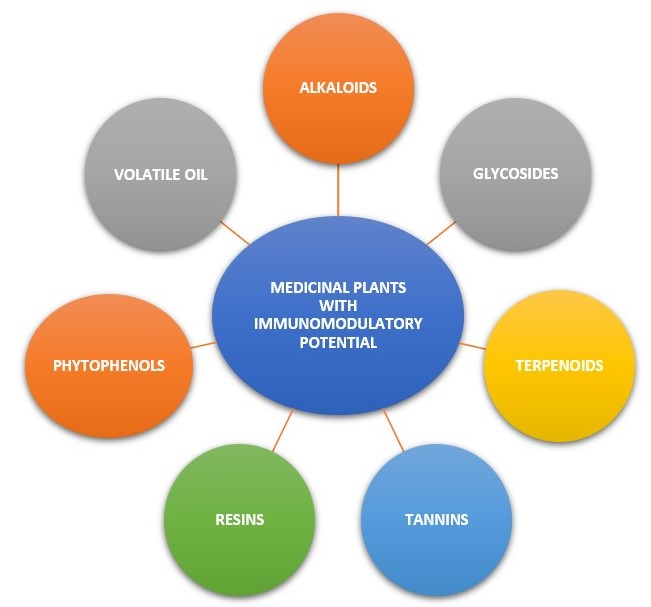
Figure. 1. Class of phytoconstituents reported to have immunomodulatory potential
Alkaloids
These are the organic products of natural or synthetic origin that are basic and contain one or more nitrogen atoms, normally of heterocyclic nature and process specific physiological action on human or animal body when used in small quantities. The promising families which contain alkaloids and reported as an immunomodulatory activity are – Amaryllidaceae, Apocynaceae, Berberidaceae, Euphorbiaceae, Leguminosae, Loganiaceae (Eldahshan and Abdel-Daim 2015), Liliaceae, Menispermaceae, Papaveraceae, Ranunculaceae, Rubiaceae, Rutaceae and Solanaceae (Singh, Bhalla et al. 2011). Potential alkaloids containing plant drugs are shown in Table 1.
Table 1. Alkaloid containing plant drugs with immunomodulatory potential
|
S. No. |
Plant name |
Botanical name (Family) |
Bioactive part(s) of plant |
Alkaloids |
References |
|
1 |
Nux vomica |
Strychnosnux-vomica (Loganiaceae) |
Leaves, seeds |
Strychnine, brucine, vomicine, colubrine, pseudostrychnine and strychnicine |
(Eldahshan and Abdel-Daim 2015) |
|
2 |
Opium |
Papaver somniferum (Papaveraceae) |
Seeds, flowers |
Morphine, codeine, heroin, narcotine, thebaine |
(Mani and Dhawan 2011) |
|
4 |
Cinchona |
Cinchona calisaya (Rubiaceae) |
Flowers, leaves, bark |
Cinchonine, cinchonidine, quinine, quinidine |
(Gachelin, Garner et al. 2017), (Pradeepa 2018) |
|
5 |
Tea
|
Theasinesis (Theaceae) |
Leaves, leaves buds |
Caffeine, theobromine, theophylline |
(Di Chen, Chen et al. 2008) |
|
6 |
Giloy |
Tinospora cordifolia (Menispermaceae) |
Leaves, stems, |
Berberine, palmatine, tembetarine, isocolumbin |
(Sharma , More and Pai 2011) |
|
8 |
Ashwagandha |
Withaniasomnifera (Solanaceae) |
Leaves, stem, flower |
Withanolide, withaferin A, ergostrane, anaferine, anahygrine. |
(Singh, Bhalla et al. 2011) |
|
9 |
Black Pepper |
Piper nigum (Piperaceae) |
Seed, flower, fruit |
Dipiperamide D, sabinene, phellandrene, piptigrine Piperine |
(Joshi, Shrestha et al. 2018) |
Glycosides
The organic products from plant or animal sources which on enzymatic or acid hydrolysis gives one or more sugar moieties along with no sugar moieties. Sugar is called glycone and non-sugar is called aglycone. chemically they are acetyls or sugar ethers formed by interaction hydroxyl group of sugar and non-sugar moiety with the release of a water molecule. Glycosides have very good antioxidants and anti-rheumatoid properties which can be very useful. Table 2 shows plant glycosides with the potential immunomodulatory property.
Table 2. Glycoside containing plant with immunomodulatory properties
|
S. No. |
Plant name |
Botanical name (Family) |
Bioactive part(s) of plant |
Glycosides |
References |
|
1 |
Digitalis |
Digitalis purpurea (Plantaginaceae) |
Flower |
Purpurea glycoside A, gitoxin, digoxin, digitoxin |
(Boericke 1927) |
|
2 |
Dioscorea |
Dioscorea deltoid (Dioscorea) |
Tubers, flower |
Diosgenin |
(Niyas 2015) |
|
3 |
Ginseng |
Panax ginseng (Araliaceae) |
Roots |
Ginsenosides, panaxosides |
(Kim 2018) (Leung and Wong, 2013; Jakaria et al. 2019) |
|
4 |
Citrus |
Citrus limon (Rutaceae) |
Fruits |
Limonene, citral, beta-pinene, sabinene |
(Mannucci, Calapai et al. 2018) |
|
5 |
Milk Thistle |
Silybusmarianum (Asteraceae) |
Flowers
|
Glycosides, fiber, hesperitin |
(Mulrow et al. 2000) |
|
6 |
Aloe vera |
Aloe barbadensis (Asphodelaceae/Liliaceae) |
Leaves |
Carboxypeptidase, Aloe-emodin, Aloetic acid, barbaloin, anthranol |
(Surjushe et al. 2008) |
Phytophenols
Phytophenols are secondary metabolites and have structural unit C6-C3 phenylpropanoids. This has various classes of phenolics which are natural substances. A different class of phytophenols are:
b) Hydroxy cinnamic acid: Ferulic acid
b) Catechin type tannins: Acertannin
Phytophenols are components of plants and have various and specific benefits and known for anti-inflammatory and antioxidant characters. Table 3 shows Phytophenols with the potential immunomodulatory property.
Table 3. Plants with phytophenols as immunumodulators
|
S. No. |
Plant name |
Botanical name (Family) |
Bioactive part(s) of plant |
Phytophenol |
References |
|
1 |
Orange |
Citrus Aurantium (Rutaceae) |
Juice Peel fruits |
Vitamin C, polyphenols, Phytochemicals, antioxidant, linalool |
(Heng et al., 2020) |
|
2 |
Tangerene |
Citrus Reticula (Rutaceae) |
Juice Peel fruits |
Vitamin C, Carotenoids, Polyphenols |
Hirsch, 1959 |
|
3 |
Japanese knotweed |
(Polygonaceae) |
Roots, seed, Flower, stem |
Vitamin C ,Resveratrol, Quercetin |
|
|
4 |
Chamomile |
Matricaria recutita (Asteraceae) |
Leaves, flower |
Bisabolol, Chamazuiene, Apigenin, Matricin |
|
|
5 |
Neem |
Azadirachta indica (Meliaceae) |
Leaves,bark Stem,fruit |
Orcidch et al., 2017 |
Kumar and Navaratnam, 2013 Alzohairy, 2016. |
|
6 |
Onion |
Allium Cepa |
Roots,Leaves |
Srivastava et al., 2010 |
Borah and Banik, 2018 |
Resins
Resins are the secondary metabolites. Resins are collected by giving artificial injury to plants. On artificial injury, plants secrete resins in response to protect the plant. Resins are viscous compound that becomes harden over some time but softens on melting. Resins do not soluble in water and not react with water. This special property makes it available for sustained release medicament formulation and for preparing many excipients in the pharmaceutical dosage forms. They are amorphous mixtures of essential oils, carboxylic acids, and oxygenated products of terpenes. They are translucent or transparent solid, semi-solid or liquid substances having many carbon atoms. Most resins are heavier than water. They are soluble in alcohol, volatile oil, fixed oils, chloral hydrate and benzene and ether (non-polar organic solvent). The classification resin depends upon the constituents of the resin, they are classified as ester resin, acid resin and resin alcohols. The homogenous mixtures of resins and oils are called oleoresins. The homogenous mixtures of volatile oil, gum, and a resin called oleo-gum resin. The benzoic and cinnamic acid-containing resin is called balsam. The major source of resins is Canada balsam, Protium copal Hymenaeacourbaril having the major chemical constituents such tannic acid, D- lysinol, diaminodiphenylsulfone. Resin with immunomodulatory effects is mentioned in Table 4.
Table 4. Resins with immunomodulatory effect
|
S. No. |
Plant name |
Botanical name (Family) |
Bioactive part(s) of plant |
Resins |
References |
|
1 |
Colophony |
Pinuspalustris (Pinaceae) |
Pines Fruits |
Resin acid (abietic acid), resene, mixture of dyhydrobietic acid and dehydroabietic acid. |
(Sadhar, Founds et al. 1994) |
|
2 |
Asafoetida |
Ferules asafoetida Linn (Umbelliferae) |
Roots Dried latex (gum) |
Volatile oil, gum, resin. Resin (notannol, asaresinotannol, umbellic acid and umbelliferone). |
(Mahendra and Bisht 2012)
|
|
3 |
Myrrh |
Commiphoraobyssinica Engles (Burseraceae) |
Resinous exudate |
Volatile oil, resin, gum, bitter principle. volatile oil (eugenol, m-cresol, cumin aldehyde). |
(Khalil, Fikry et al. 2020), (Cao, Wei et al. 2019) |
|
4 |
Turmeric (Haridra) |
Curcuma longa (Zingiberaceae) |
Rhizome Roots |
curcumin Volatile oil, resin and zinzgiberaceous starch grains. Volatile oil (d-alpha-phellandene, d-sabinene, cineol, borneol, zingiberene, and sesquiterpenes |
(Prasad and Aggarwal 2011) |
|
5 |
Male Fern |
Dryopterisfilix-mas(Linn) (Dryopteridaceae) |
Roots Dried rhizomes |
Derivative of phloroglucinol and butyric acid |
(Schott 2002) |
|
6 |
Cinnamon |
Cinnamomum verum (Lauraceae) |
Barks |
Eugenol, cinnamic acid, cinnamate, cinnamaldehyde |
(Feldman and Bauer 2008),(Ulbric, Seamon et al. 2011) |
Tannins
Tannins are secondary plant metabolites that are water-soluble phenolic compounds. Their molecular weight is ranging from 500 to 3000. Tannins have the property of combining with cellulose, proteins, gelatin, and pectin and form an insoluble complex. Their chemical structures varied so can act as potential metal ion chelating agent, biological antioxidant or relying on its concentration, as a complexing agent. In low concentration, it acts as a complexing agent and in high concentration act as a precipitating agent. Tannins are classified into two main groups: Hydrosable tannins and Condensed tannins. Hydrosable tannins: Gallotannins, ellagitannins and complex tannins (sugar derivatives-gallic acid, glucose and ellagic derivatives) Condensed tannins: Procyanidins. Tannin containing plants with immunomodulatory activity containing are shown in Table 5.
Table 5. Plant containing Tannin having immunomodulatory action
|
S. No. |
Plant name |
Botanical name (Family) |
Bioactive part(s) of plant |
Tannin |
References |
|
1 |
Green tea |
Camellia sinensis (Theaceae) |
Leaves, Buds, Flower, Barks |
Xanthine derivatives such as caffeine, theophylline, theobromine, and the glutamate derivatives theamine. |
(Chacko, Thambi et al. 2010),(Katiyar, Ahmad et al. 2000) |
|
2 |
Grapes |
Vitis vinifera (Vitaceae) |
Fruits, Juice |
Tartaric acid, malic acid, citric acid, and amino acids. |
(Yadav, Jain et al. 2009),(Percival and West 2013) |
|
3 |
Strawberry |
Fragaria X ananassa (Rosaceae) |
Fruits,Flower |
p-Hydroxy-Benzoic acid, Palmitic acid, Palmitolic acid and Pantothenic acid. |
(Liberal, Francisco et al. 2014),(Basu, Nguyen et al. 2014) |
|
4 |
Basil |
Ocimum basilicum (Lamiaceae) |
Leaves |
Methyl chavicol, methyl eugenol, linalool, limonene, cis-ocimene and citronellol. |
(Jamshidi and Cohen 2017),(Malav, Pandey et al. 2015) ,(Bhateja and Arora 2012), (Al-Maskari, Hanif et al. 2012) |
|
5 |
Coffee |
Coffea,Arabica (Rubiacea) |
Beans |
Caffeine, Chlorogenic acid, diterpenes and trigonelline. |
(Higdon and Frei 2006),(Poole, Kennedy et al. 2017) |
|
6 |
Amla |
Embilica officinalis (Euphobiaceae) |
Dried or fresh fruits |
Vitamin C, gallic acid, ellagic acid, chebllagic acid |
(Grover, Deswal et al. 2015),(Annapurna 2012) |
Terpenoids
Terpenes are secondary metabolites, and they are produced with the help of enzymatic resections of primary metabolites (amino acids, sugars, vitamins). Terpenes are the biggest class of secondary metabolites and normally having 5 carbon isoprene (C5H8) units which are connected in thousands of ways. Simply, terpenes are hydrocarbons but terpenoids are modified terpenes having different functional groups and oxidized methyl group moved or removed at different positions. Terpenoids are divided into Hemiterpene (1 isoprene unit): C5H8; Monoterpene (2 isoprene unit): C10H16; Sesquiterpene (3 isoprene unit): C15H24; Diterpene (4 isoprene unit): C20H32; Sesterpene (5 isoprene unit): C25H40; Triterpene (6 isoprene unit): C30H48. Terpenoids containing immunomodulatory plants drugs are shown in Table 6.
Table 6. Terpenoid plant with immunomodulatory activity
|
S. No. |
Plant name |
Botanical name (Family) |
Bioactive part(s) of plant |
Terpenoids |
References |
|
1 |
Caraway |
Carum carvi Linn. (Apiaceae) |
Seeds,Fruits |
Carvone, limonene, acetaldehyde, furfural carveole, pinene, thujone, camphene, phellandrene. |
(Kazemipoor and Cordell 2015),(Johri 2011) |
|
2 |
Spearmint (peppermint) |
Mentha spicata (Lamiaceae) |
Fresh or dried Leaves |
Carvone, cis-carveol, limonene, 1,8 cineol, cis-dihydrocarvone, carvyl acetate and cis-sabinene hydrate. |
(Balakrishnan 2015) |
|
3 |
Olive |
Olea europaea (Oleaceae) |
Ripe fruits,Leaves,Woods |
Oleuropein, hydroxytyrosol, luteolin, rutin, caffeic acid, polyphenols, and flavonoids |
(Hashmi, Khan et al. 2015) |
|
4 |
Apple |
Malus domestica (Rosaceae) |
Fruits,Juice |
ursolic acid, Vitamins and Minerals |
(Boyer and Liu 2004) |
|
5 |
Orange |
Citrus X sinensis (Rutaceae) |
Fruits,Peel,Juice |
Organic acids(citric,malic,and ascorbic acid), sugars(Sucrose, glucose), phenolic compounds and limonene. |
(Milind and Dev 2012) |
Volatile Oil
Volatile oils are known as an essential oil because it is responsible for the essence and odor of the plant. Volatile oils are a mixture of different types of terpenes like simple hydrocarbon terpenes, sesquiterpenes, polyterpenes and their oxygenated derivatives. The volatile oil obtained from various parts of the plant and evaporates on exposure in the air at ordinary temperature. The fresh volatile oils are colorless liquids, but few are amorphous or crystalline solid. On exposure to the air and the sunlight for a long time, volatile oil becomes darker in colour. So, that’s why volatile oils always are stored in tightly closed, amber-colored bottles in a cool and dry place. Volatile oils are strongly soluble in alcohol, ether, and most of the organic solvents while slightly soluble in water. It is easily smeared on paper and gives a translucent strain which disappearing as the oil volatilizes. Volatile oils are classified as: Hydrocarbon: Turpentine oil, Alcohol: Peppermint oil, Pudina, Sandalwood oil, Aldehydes: Cymbopogon sp., Lemongrass oil, Cinnamon, Cassia and Saffron. Ketone: Camphor, Caraway and Dill, Jatamansi, Fennel, Phenols: Clove, Ajowan, Tulsi, Phenolic ether: Nutmeg, Calamus, Oxides: Eucalyptus, Cardamom and Chenopodiumoil, S Esters: Valerian, Rosemary oil, Garlic, Gaultheria oil. Potential volatile oils containing plant drugs are shown in Table 7.
Table 7. Volatile oil containing plant drugs with immunomodulatory potential
|
S. No. |
Plant name |
Botanical name (Family) |
Bioactive part(s) of plant |
Volatile oil constituents |
References |
|
1 |
Ginger (Zinziber) |
Zingiber officinale (Zingiberaceae) |
Rhizomes |
Volatile oil (Camphene, phellandrene, zingiberene, zingiverol, eucalyptol, citral, borneol and linalool. |
Mashhadi, Ghiasvand et al. 2013; Bode and Dong 2011; Ingle, Verma et al. 2013 |
|
2 |
Garlic |
Allium Sativum (Amaryllidaceae) |
Ripe bulb |
Organosulfur compounds such as allicin, diallyl disulphide, S-allyl cysteine &diallyl trisulphide. |
Imo and Za’aku |
|
3 |
Peppermint |
Mentha pipertia (Lamiaceae) |
Fresh or dried Leaves |
Menthol, menthone, menthyl acetate, 1,8-cineole, limonene, beta-pinene and beta- aryophyllene. |
Balakrishnan 2015 |
|
4 |
Eucalyptus |
Eucalyptus globules (Myrtaceae) |
Leaves,Bark, Fruits, Wood |
1,8-cineol and alpha-pinene. |
Shao, Yin et al. 2020 |
|
5 |
Clove |
Eugenia caryophyllus (Myrtaceae) |
Flower buds |
Phenylpropanoids such as carvacrol, thymol, eugenol and cinnamaldehyde |
Batiha, Alkazmi et al. 2020; Hussain, Rahman et al.) |
|
6 |
Lemongrass |
Cymbopogon citrates (Poaceae/Gramineae) |
Grass oil |
z-citral, borneol, estragole, limonene, pipertone, citronellal |
Shah, Shri et al. 2011 |
Mode of action of immunomodulators
Many neurodegenerative diseases are persistent and are troublesome, one of the major cause for problems are free radicals like superoxide anion, singlet oxygen, hydroxyl radical and hydrogen peroxide which can induce mutations in the body as well as brain and can lead to disorders and sometimes damage to DNA (More and Pai 2011). Some of the alkaloids are beneficial in cancer like Vincristine, Vinblastine obtained from Catharanthus roseus and Camptothecin from Camptothecaacumunatal. Rhizomes of Glorisa superba contain Colchicine which is also alkaloid. Vincristine stops mitosis at the metaphase, and this stops growth and new cell formation. Cinchonine, Quinine obtained from cinchona bark of Cinchona calisaya and its species is also important antimalarial and can be administered in Pregnancy.
Mechanism of Glycosides
Enhance production of IL 1 and TNF alpha from macrophages Glycosides can inhibit Na-K pump and affect the transport of sodium and potassium in and out of membranes. Digitalis is a popular cardiac glycoside and increases the force of contraction of cardiac muscles by binding to Na/K/ATPase of myocardial fibers to inhibit the same, but this is slow action and eventually reduces potassium levels in cells which can be corrected by giving potassium ions in form of i.v. infusion of by Coconut water or lemon which are rich in potassium.
Mechanism of Phytophenols
Flavonoids are antioxidants and relieve free radicals from the body. They stimulate T cells and B cells. Flavonoids also keep the cardiovascular and digestive system healthy by antioxidant activity(Lobo, Patil et al. 2010). They are used as fruits and rich in citrus fruits and also in curry leaves, in addition to these benefits they are also antitumor, anti-rheumatoid antihypertensive, anti-gout and antihyperlipidemic.(Sinha, Sharma et al. 2010, Santilli, Piotrowska et al. 2013)
Mechanism of Resin
Resins are fully loaded with minerals and vitamins that help the body to fight against infections and boost the immune system. Dried fruit save us from fevers, infections and many types of illness because of having anti-inflammatory and antibacterial properties.(Mukherjee, Nema et al. 2014)
Mechanism of terpenoids
The terpenes that are found in citrus fruits having the capacity for enhancing the immunity. They possess anti-inflammatory, antioxidant, anti-stress and have diseases-preventing properties. Terpenes like carvone, limonene, perillic acid, glycyrrhizic acid and nomilin (Kuttan, Pratheeshkumar et al. 2011). These terpenes which are found in Fennel, Apple, Lemon, Orange, Olive tree are responsible for activating the immune system without affecting other parameters of the body. Scientific studies show that terpenoids can enhance the total count of WBC by doing enhancement in bone marrow circularity.
Mechanism of volatile oil
Essential oils are very helpful in boosting my immunity; they are very effective in eradicating those bacteria and virus that are responsible for many harmful diseases. They work by directly fortify the immune response. They are capable to do this because of their specific immune-strengthening properties like antibacterial and antiviral(Yang, Zhang et al. 2019).
Conclusion and recommendations
The emerging trends of pathogenic infections since the past 50 years has created a challenge among the researchers, practitioners, and the Governments of developed and developing countries to combat the microbial threat and economy situation raised by the new pathogenic or genetically modified microbial strains. Recent emergence of COVID-19 pandemic disease caused due to novel corona virus strongly admire the acceptance of immunomodulatory drugs as a part of routine diet as well as a drug regimen in the management and treatment of pathogenic infectious diseases. Through this paper we have attempted to enlist most commonly used medicinal herbs and plants which are not only work as an immunomodulator but also helpful to fight from various diseases and infections. The source of information may be utilised by general public for maintaining immunity in day-to-day life. The present review might be a good source of information for the researchers and practitioners too working in the related fields.
Conflict of interest
The author declares no conflict of interest.
References
Alimonti JB, Ball TB, Fowke KR. 2003. Mechanisms of CD4+ T lymphocyte cell death in human immunodeficiency virus infection and AIDS. Journal of general Virology, 84:1649-61.
Al-Maskari MY, Hanif MA, Al-Maskri AY, Al-Adawi S. 2012. Basil: A natural source of antioxidants and neutraceuticals. In Natural Products and Their Active Compounds on Disease Prevention:463-71: Nova Science Publishers, Inc. Number of 463-71.
Alzohairy MA. 2016. Therapeutics role of Azadirachta indica (Neem) and their active constituents in diseases prevention and treatment. Evidence-Based Complementary and alternative medicine, 2016.
Annapurna A. 2012. Health Benefits of Amla or Indian Gooseberry Fruit (Phyllanthus emblica). Asian Journal of Pharmaceutical Research and Health Care, 4:55.
Balakrishnan A. 2015. Therapeutic uses of peppermint-a review. Journal of pharmaceutical sciences and research 7:474.
Balasubramani SP, Venkatasubramanian P, Kukkupuni SK, Patwardhan B. 2011. Plant-based Rasayana drugs from Ayurveda. Chinese journal of integrative medicine, 17:88-94.
Basu A, Nguyen A, Betts NM, Lyons TJ. 2014. Strawberry as a functional food: an evidence-based review. Critical reviews in food science and nutrition, 54:790-806.
Batiha GE-S, Alkazmi LM, Wasef LG, Beshbishy AM, Nadwa EH, Rashwan EK. 2020. Syzygium aromaticum L.(Myrtaceae): Traditional uses, bioactive chemical constituents, pharmacological and toxicological activities. Biomolecules 10:202.
Bhateja S, Arora G. 2012. Therapeutic benefits of holy basil (tulsi) in general and oral medicine: a review. International Journal of Research in Ayurveda & Pharmacy 3.
Bode AM, Dong Z. 2011. The amazing and mighty ginger. Herbal medicine: Biomolecular and clinical aspects.
Boericke W. 1927. Homeopathic material medica by William Boericke, MD presented by Medi–T. Ignatia Amara St Ignatius Bean.
Borah P, Banik BK. 2018. Diverse Therapeutic Applications of Onion. Archives of Pharmacology and Therapeutics 1.
Borish LC, Steinke JW. 2003. Cytokines and chemokines. Journal of Allergy and Clinical Immunology, 111:S460-S75.
Boyer J, Liu RH. 2004. Apple phytochemicals and their health benefits. Nutrition journal, 3:5.
Calder PC. 2013. Feeding the immune system. Proceedings of the Nutrition Society, 72:299-309.
Cano RLE, Lopera HDE. 2013. Introduction to T and B lymphocytes. In Autoimmunity: From Bench to Bedside [Internet]: El Rosario University Press.
Cao B, Wei X-C, Xu X-R, Zhang H-Z, Luo C-H. 2019. Seeing the unseen of the combination of two natural resins, frankincense and myrrh: Changes in chemical constituents and pharmacological activities. Molecules 24:3076.
Chacko SM, Thambi PT, Kuttan R, Nishigaki I. 2010. Beneficial effects of green tea: a literature review. Chinese medicine 5:1-9.
Cherayil BJ. 2011. The role of iron in the immune response to bacterial infection. Immunologic research, 50:1-9.
Di Chen VM, Chen MS, Wan SB, Lam WH, Huo C. 2008. Tea polyphenols, their biological effects and potential molecular targets. Histology and histopathology 23:487.
Eldahshan OA, Abdel-Daim MM. 2015. Phytochemical study, cytotoxic, analgesic, antipyretic and anti-inflammatory activities of Strychnos nux-vomica. Cytotechnology, 67:831-44.
Feldman C, Bauer K. 2008. Flavoring culture/Le goût pour la cannelle. How the universally recognized spice cassia-cinnamonum gains and loses prestige throughout history. Anthropology of food.
Ferreira VL, Borba HH, Bonetti AdF, Leonart LP, Pontarolo R. 2018. Cytokines and interferons: types and functions. In Autoantibodies and cytokines: IntechOpen.
Gachelin G, Garner P, Ferroni E, Tröhler U, Chalmers I. 2017. Evaluating Cinchona bark and quinine for treating and preventing malaria. Journal of the Royal Society of Medicine, 110:31-40.
Grover HS, Deswal H, Singh Y, Bhardwaj A. 2015. Therapeutic effects of amla in medicine and dentistry: A review. Journal of Oral Research and Review 7:65.
Hashmi MA, Khan A, Hanif M, Farooq U, Perveen S. 2015. Traditional uses, phytochemistry, and pharmacology of Olea europaea (olive). Evidence-Based Complementary and Alternative Medicine.
Heng Y, Zansler M, House L. 2020. Orange Juice Consumers Response to the Covid-19 Outbreak. EDIS 2020:4.
Higdon JV, Frei B. 2006. Coffee and health: a review of recent human research. Critical reviews in food science and nutrition, 46:101-23.
Hirsch JG. 1959. Immunity to infectious diseases: review of some concepts of Metchnikoff. Bacteriological reviews, 23:48.
Hussain S, Rahman R, Mushtaq A, El Zerey-Belaskri A. Clove: A review of a precious species with multiple uses.
Imo C, Za’aku JS. Medicinal Properties of Ginger and Garlic: A Review.
Ingle AM, Verma AK, Tiwari R, Karthik K, Chakraborty S. 2013. Immunomodulators in day to day life: a review. Pakistan journal of biological sciences: PJBS 16:826-43.
Jakaria M, Kim J, Karthivashan G, Park SY, Ganesan P, Choi DK. 2019. Emerging signals modulating potential of ginseng and its active compounds focusing on neurodegenerative diseases. Journal of Ginseng Research, 43:163-71.
Jamshidi N, Cohen MM. 2017. The clinical efficacy and safety of Tulsi in humans: a systematic review of the literature. Evidence-Based Complementary and Alternative Medicine, 2017.
Janeway Jr CA, Travers P, Walport M, Shlomchik MJ. 2001. Principles of innate and adaptive immunity. In Immunobiology: The Immune System in Health and Disease. 5th edition: Garland Science.
Jatawa S, Paul R, Tiwari A. 2011. Indian medicinal plants: a rich source of natural immuno-modulator. International Journal of Pharmacology, 7:198-205.
Johri R. 2011. Cuminum cyminum and Carum carvi: An update. Pharmacognosy reviews 5:63.
Jones KE, Patel NG, Levy MA, Storeygard A, Balk D, Deborah B, John LG, Peter D. 2008. Global trends in emerging infectious diseases, Nature 451:990-3.
Joshi DR, Shrestha AC, Adhikari N. 2018. A review on diversified use of the king of spices: Piper nigrum (Black Pepper). International Journal of Pharmaceutical Sciences Research, 9:4089-101.
Katiyar SK, Ahmad N, Mukhtar H. 2000. Green tea and skin. Archives of Dermatology, 136:989-94.
Kazemipoor M, Cordell GA. 2015. Clinical effects of caraway, a traditional medicine for weight loss. In Evidence-Based Validation of Herbal Medicine: 339-62.
Khalil N, Fikry S, Salama O. 2020. Bactericidal activity of Myrrh extracts and two dosage forms against standard bacterial strains and multidrug-resistant clinical isolates with GC/MS profiling. AMB Express 10:21.
Khodadadi S. 2015. Role of herbal medicine in boosting immune system. Immunopathologia Persa 1:e01.
Kim JH. 2018. Pharmacological and medical applications of Panax ginseng and ginsenosides: a review for use in cardiovascular diseases. Journal of ginseng research, 42:264-9.
Kipkoriony Rutto L, Jaja N. 2012. Averting an imminent food crisis: The need for alternative crops. Journal of Food and Nutritional Disorders 1 1:2.
Kumar VS, Navaratnam V. 2013. Neem (Azadirachta indica): Prehistory to contemporary medicinal uses to humankind. Asian Pacific journal of tropical biomedicine, 3:505-14.
Kuttan G, Pratheeshkumar P, Manu KA, Kuttan R. 2011. Inhibition of tumor progression by naturally occurring terpenoids. Pharmaceutical biology 49:995-1007.
Leung KW, Wong AS. 2013. Ginseng and male reproductive function. Spermatogenesis 3:e26391.
Liberal J, Francisco V, Costa G, Figueirinha A, Amaral MT. 2014. Bioactivity of Fragaria vesca leaves through inflammation, proteasome and autophagy modulation. Journal of ethnopharmacology, 158:113-22.
Lobo V, Patil A, Phatak A, Chandra N. 2010. Free radicals, antioxidants and functional foods: Impact on human health. Pharmacognosy reviews, 4:118.
Mahendra P, Bisht S. 2012. Ferula asafoetida: Traditional uses and pharmacological activity. Pharmacognosy reviews 6:141.
Malav P, Pandey A, Bhatt K, Krishnan SG, Bisht I. 2015. Morphological variability in holy basil (Ocimum tenuiflorum L.) from India. Genetic Resources and Crop Evolution, 62:1245-56.
Mani D, Dhawan SS. 2011. Scientific basis of therapeutic uses of Opium Poppy (Papaver somniferum) in Ayurveda. Proc. International Symposium on Papaver, 1036:175-80.
Mannucci C, Calapai F, Cardia L, Inferrera G, D’Arena G. 2018. Clinical Pharmacology of Citrus aurantium and Citrus sinensis for the Treatment of Anxiety. Evidence-Based Complementary and Alternative Medicine.
Mashhadi NS, Ghiasvand R, Askari G, Hariri M, Darvishi L, Mofid MR. 2013. Anti-oxidative and anti-inflammatory effects of ginger in health and physical activity: review of current evidence. International journal of preventive medicine, 4:S36.
Milind P, Dev C. 2012. Orange: range of benefits. International Research Journal of Pharmacy, 3:59-63.
More P, Pai K. 2011. Immunomodulatory effects of Tinospora cordifolia (Guduchi) on macrophage activation. Biology and Medicine, 3:134-40.
Mukherjee PK, Nema NK, Bhadra S, Mukherjee D, Braga FC, Matsabisa MG. 2014. Immunomodulatory leads from medicinal plants.
Mulrow C, Lawrence V, Jacobs B, Dennehy C, Sapp J. 2000. Milk thistle: effects on liver disease and cirrhosis and clinical adverse effects: summary. In AHRQ Evidence Report Summaries: Agency for Healthcare Research and Quality (US).
Niyas FM. 2015. Medicinal Uses of Dioscorea bulbifera-A Review. Research Journal of Pharmacy and Technology, 8:1059-62.
ORCID JP, Navrátilová Z, Ovando M. 2017. Biologically active compounds of Knotweed (Reynoutria spp.) Review article.
Percival SS, West RL. 2013. Effect of health-promoting properties of grapes, including resveratrol. Bioactives in Fruit: Health Benefits and Functional Foods; Skinner, M., Hunter, D., Eds:197-214.
Poole R, Kennedy OJ, Roderick P, Fallowfield JA, Hayes PC, Parkes J. 2017. Coffee consumption and health: umbrella review of meta-analyses of multiple health outcomes. bmj 359.
Pradeepa R. 2018. Pharmacognostical and Phytochemical Studies on Leaves of Cinchona officinalis. Research Journal of Pharmacognosy and Phytochemistry, 10:246-50.
Prasad S, Aggarwal BB. 2011. Turmeric, the golden spice: from traditional medicine to modern medicine.
Sadhar S, Founds I, Gray C, Koh D, Gardiner K. 1994. Colophonyauses, Health Effects, Airborne Measurement and Analysis. The Annals of Occupational Hygiene, 38:385-96.
Santilli G, Piotrowska I, Cantilena S, Chayka O, D'Alicarnasso M. 2013. Polyphenol E enhances the antitumor immune response in neuroblastoma by inactivating myeloid suppressor cells. Clinical Cancer Research, 19:1116-25.
Schott L. 2002. Conservation Assessment for Male Fern (Dryopteris filix-mas).
Shah G, Shri R, Panchal V, Sharma N, Singh B, Mann A. 2011. Scientific basis for the therapeutic use of Cymbopogon citratus, stapf (Lemon grass). Journal of advanced pharmaceutical technology & research, 2:3.
Shao J, Yin Z, Wang Y, Yang Y, Tang Q. 2020. Effects of Different Doses of Eucalyptus Oil From Eucalyptus globulus Labill on Respiratory Tract Immunity and Immune Function in Healthy Rats. Frontiers in Pharmacology, 11:1287
Sharma P, Kumar P, Sharma R, Gupta G, Chaudhary A. 2017. Immunomodulators: Role of medicinal plants in immune system. National Journal of Physiology, Pharmacy and Pharmacology, 7:552.
Sharma S. Important aspects of Medicinal Plant Giloy.
Singh N, Bhalla M, de Jager P, Gilca M. 2011. An overview on ashwagandha: A Rasayana (Rejuvenator) of Ayurveda. African Journal of Traditional, Complementary and Alternative Medicines 8.
Sinha N, Sharma S, Haroon R. 2010. Antioxidant profiling of leaf extracts of Murraya koenigii (L.) Spreng (Curry Leaf) in PC-12 cells exposed to neurotoxic shock. Indian Journal of Agricultural Biochemestry, 23:91-6.
Srivastava JK, Shankar E, Gupta S. 2010. Chamomile: a herbal medicine of the past with a bright future. Molecular medicine reports, 3:895-901.
Surjushe A, Vasani R, Saple D. 2008. Aloe vera: a short review. Indian journal of dermatology, 53:163.
Ulbricht C, Seamon E, Windsor RC, Armbruester N, Bryan JK. 2011. An evidence-based systematic review of cinnamon (Cinnamomum spp.) by the Natural Standard Research Collaboration. Journal of dietary supplements, 8:378-454.
Woolhouse ME, Haydon DT, Antia R. 2005. Emerging pathogens: the epidemiology and evolution of species jumps. Trends in ecology & evolution, 20:238-44.
Yadav M, Jain S, Bhardwaj A, Nagpal R, Puniya M. 2009. Biological and medicinal properties of grapes and their bioactive constituents: an update. Journal of medicinal food, 12:473-84.
Yang C, Zhang L, Cao G, Feng J, Yue M. 2019. Effects of dietary supplementation with essential oils and organic acids on the growth performance, immune system, fecal volatile fatty acids, and microflora community in weaned piglets. Journal of Animal Science, 97:133-43.
Zhang Y, Jiang B, Yuan J, Tao Y. 2020. The impact of social distancing and epicenter lockdown on the COVID-19 epidemic in mainland China: A data-driven SEIQR model study.