Nemani Shivaram1, Kallamadi Prathap Reddy3, Perumalla Kiran Kumar2, Rayapoodi Naveen2, Pothani Suresh3, Nemani Harishankar3*
1Department of orthodontics and dentofacial orthopaedics, Panineeya Institute of Dental Sciences & Research Centre, Dilsukhnagar, Hyderabad, Telangana, India.
2Department of orthodontics and dentofacial orthopaedics, Mamata Dental College, Khammam, India.
3National Centre for Laboratory Animal Sciences, National Institute of Nutrition, ICMR, Telangana, Hyderabad, India.
*Correspondence:
N. Harishankar
Scientist,
National Centre for Laboratory Animal Sciences,
Jamai Osmania post, Taranaka, Hyderabad -500 007.
Abstract
Objective: WNIN/Ob is an inbred mutant obese rat strain with euglycemia developed indigenously from Wistar stock (WNIN) existing since 1920. For the first time we have studied the effect of BoNT/A on the growth, body composition and muscle conduction velocity (MCV) in WNIN/Ob mutant rats. Materials and methods: Twelve obese male rats and 12 obese female rats of 35 days of age, and age matched 24 lean rats of equal gender were taken for the study. They were randomly divided into four groups of 12 each (6 males and 6 females). Group- I was BoNT/A injected obese rats, while the group – II was BoNT/A injected lean rats, Group-III was negative control obese rats, and Group –IV was the negative control lean rats. The study continued for 45 days and parameters like growth and food intake were monitored. Body composition in control and experimental rats was determined by the total body electrical conductivity (TOBEC). MCV in lean and obese rats was determined by Biopack polygraph (MP 100 Model). Results and conclusion: BoNT/A injected obese rats showed significant decrease in food intake, body weight and fat. A significant increase in lean body mass (LBM), and fat free mass (FFM) was observed in BoNT/A injected obese rats compared to obese control rats. No significant changes were seen in food intake and growth of lean rats. MCV values were also significantly reduced on the BoNT/A treated experimental rats of both obese and lean rats as compared to their corresponding controls. The reduced MCV on the experimental side as compared to control side suggest reduced muscular function in obese rats. This was followed by a reduction in food intake leading to reduced body weight and increase in the LBM and FFM. These differences were also observed among the genders, suggesting that the muscle architecture not only varies in obese rats but also the gender.
Keywords: Fat free mass, hyperphagia, lean body mass, masseter muscle, total body electrical conductivity
Introduction
Botulinum neurotoxin is a protein derived from the fermentation of bacterium Clostridium botulinum and so far, seven neurotoxin types have been identified as types A-G (Porter et al., 1991). Among the seven types, BoNT type A (BoNT/A), became more famous, for its use in the treatment of focal dystonia, with its ability to paralyze and relax muscle of the focal skeletal area. The BoNT/A was found to obstruct the release of the acetylcholine from the pre-synaptic nerve of cholinergic nerve endings and has now found a regular use in cosmetic industry (Hatheway, 1995). Several clinical studies have been carried out to test the effects of BoNT/A on masseter muscles when treatment was for cosmetic purposes such as volumetric reduction or excessive muscle activity (bruxism) (Peter and Markus, 2003). The intramuscular injection of BoNT/A into the masticatory muscles as an adjunct to temporomandibular joint was found to be more effective at prolonging improvement in symptoms than arthrocentesis alone.
Many studies have been conducted to identify the effect of BoNT/A injections in the animals. It was observed that, the administration of BoNT/A injection in the parotid gland of Wistar female rats showed a reduction in the concentration of acetyl cholinesterase, thereby offering a possible therapeutic option for the treatment of hyper salivation in various otolaryngologic and neurologic diseases (Maik et al., 2000). In another study, metabolic bone disturbances due to hypocalcemia in growing rats were evaluated using cephalometric analysis. The effect of muscle inactivity using muscle-paralyzing agents on the growth of bones in 10 day old CD1 mice revealed that the loss of muscular activity does not affect the normal neonatal mandibular growth. It was also observed that, the muscular function does not appear to be essential for normal postnatal mandibular growth in CD1 mouse (Richard, 1972). The injection of BoNT/A to WNIN obese phenotypes showed reduction in the body weight, food intake and weights of major organs and increased the masseter muscle weight and fiber width. However, BoNT/A injection did not have any adverse effects on the myofibre morphology in WNIN/Ob lean rats (Shivaram et al., 2015).
Obesity is now widely recognized as complex and seriously debilitating nutritional disorder, which is often associated with an increase in risk for major diseases, including cardiovascular and cerebrovascular diseases (Ghosh et al., 2003; 2004). Though, BoNT/A is used in cosmetics to reduce or flatten the wrinkles in the face, it has so far not been studied for its effect in obese individuals, improve the musculature of their face. The National Institute of Nutrition has been maintaining one of the oldest colonies of an inbred Wistar strain of rats (Giridharan et al., 1997). From these stocks of rats, a mutant rat line with obesity and euglycemia was isolated and a colony of this was established, and designated as WNIN/Ob. These mutant rats show high body mass index (BMI), high body fat (47 %) and low lean body mass as compared to lean littermates. They also show increased biochemical indices of obesity with a rotund face with a very short neck (Giridharan et al., 1996). This strain of rat has a shorter lifespan and also develops an opportunistic infection as they cross one year, and 15-20 % was shown to develop cataract and retinal degeneration (Bhanuprakash et al., 2009), mammary tumors, lipomas and kidney abnormalities (Harishankar et al., 2011). The main objective of the present study was to look into the effect of BoNT/A injection on the physical growth, body composition and muscle conduction velocity.
Material and Methods
Animals
Twenty-four WNIN/Ob rats of 35 days of age (12 Males and 12 Females), with an average body weight of 126- 132gm and 24 lean rats (12 Males and 12 Females), with an average body weight of 89-92gm were used for the study. The rats were randomly assigned to four equal groups of 12 each (6 males + 6 females). Group- I was BoNT/A injected obese rats, Group – II was positive control obese rats, Group-III was BoNT/A injected lean rats and Group –IV was positive control lean rats.
Animals housing
The rats used in the study were housed individually in standard polycarbonate cage with top grill has facilities for holding pelleted feed and drinking water in polycarbonate bottles with stainless steel sipper tubes (Tecniplast, Italy). They were housed at 22 ± 2 °C, with 14-16 air changes per hour with a relative humidity of 50-60%, and photoperiod of 12-hour light/dark. The animals were provided with sterile pelleted chow of standard composition established at the National Institute of Nutrition containing all the recommended macro and micronutrients (56% carbohydrate, 18.5% protein, 8% fat, 12% fiber and adequate levels of minerals and vitamins) needed for rats along with water, ad libitum (Harishankar et al., 2011).
Administration of BoNT/A
The rats were subjected to mild anesthesia by Isofluorene inhalation using table top anesthesia system.The vial of 50 units of BoNT/A(Biobaxy Technologies, India) was reconstituted with 2.0 mL of normal saline solution, yielding a preparation of 1 unit (0.04 mL per injection). Two injection points representing the superficial and the deep masseter muscle layers were each injected with 0.02 mL of normal saline or the BoNT/A solution. It is a split mouth study design adopted by Chi-yang et al., (2009), and the opposite side of the animal masseter muscle was acting as an experimental control. The obese and lean control rats were not given any treatment. These animals were followed up to 45 days for their physical, physiological and muscle conduction velocity parameters.
Assesment Parameters
Body weight, food intake
The animals were weighed using an electronic balance (Sartorius digital balance, 0.1 gm sensitivity), weekly from the day of administration of BoNT/A injection to the termination of the experiment. Weekly records were maintained for food intake, and weight gain from which food efficiency ratio (FER) was derived.
Body composition
Body composition of all the rats was measured using a Total Body Electrical Conductivity (TOBEC) small animal body composition analysis system (EM - SCAN/ TOBEC, Model SA – 3000 Multi detector, Springfield, III, USA) (Venu et al., 2004). In lean rats, the estimation was carried out using coil with I.D. 3076 and in obese rats by coil with I.D. 3011. Both control and experimental group lean and obese rats were stabilized and monitored for body composition, as per the guidelines provided for instrument (Padmavathi et al., 2010; Harishankar et al., 2011) and the body composition parameters were obtained mathematically according to the methods of Morbach and Brans (Morbach and Brans, 1992).
Muscle conduction velocity (MCV)
After 45 days of injection of BoNT/A, the MCV activity of the masseter muscle in the experimental and the control side was evaluated using a polygraph apparatus (BIOPAC MP 100 model). Mild surgical anesthesia was given to rats and subjected to the polygraph test (Figure 1a and 1b).
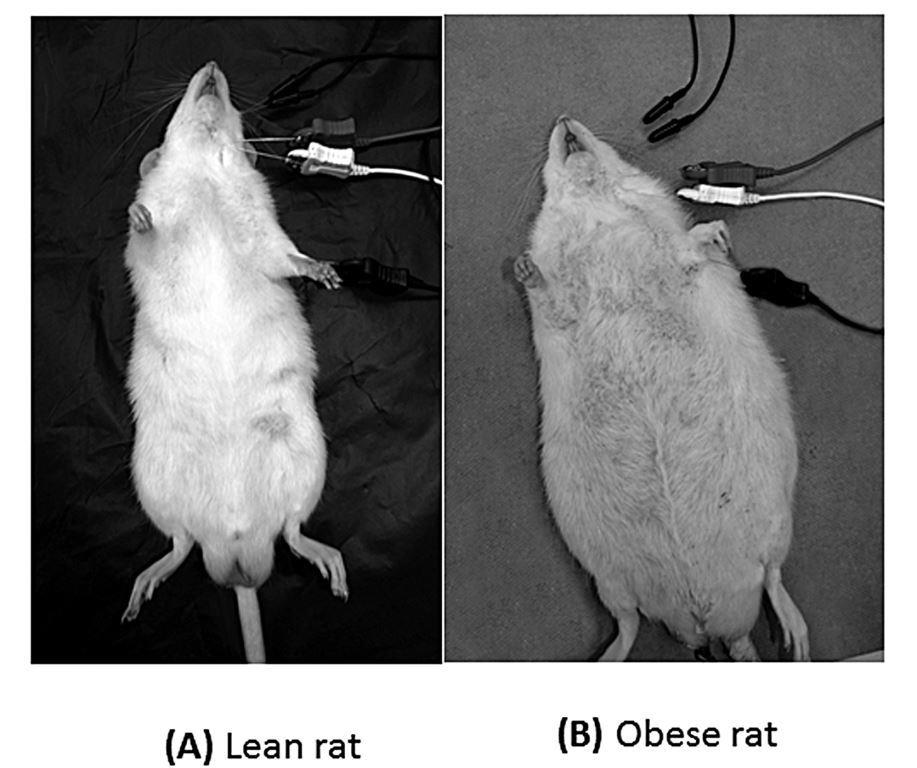 Figure 1. Lean and obese rats analysed for muscle conduction velocity.
The polygraph equipment consisted of five pin electrodes namely Black (3), Red (1), White (1), and two of the black electrodes were to generate impulse and the other was the ground electrode. The ground electrode was placed onto one of the forelimbs of the rat. The other two black, red and white electrodes were placed by 1cm distance into the masseter muscle by the side to be examined. These pin electrodes were placed 1.0 cm apart in the main direction of muscle fibers. In order to reduce skin impedance, the skin was carefully cleansed prior to electrode placement. There was twitching of the lower jaw seen in the animal on application of the nerve impulse suggesting that the electrodes were properly placed on the masseter muscle.
MCV of the control and experimental rats was performed on the five channel PC- based polygraph apparatus (BIOPAC MP 100 model), which is PC controlled multichannel system for simultaneous surface myoelectric and gnathosonic signal registration and analysis. The instrument was directly interfaced with a computer which presented the data graphically, digitally and stored them on a hard disc for further quantitative and quality analysis. This system allowed simultaneous recording of myoelctrical activity of masseter muscle and the input impedance was 10 MΩ. The MCV activity was recorded from the main direction of muscle fibers, left the experimental side and right the saline treated side of the masseter muscle. The measurements were continuously monitored for 30 mSec with 5 mSec time interval. The simultaneous recorded MCV values were displayed on PC screen in separate folders and stored on the hard disk, for the off-line analysis. The recorded values were converted into the time and calculated by the distance, to derive muscle conduction velocity (Cm/mSec) of lean and obese rats belonging to control and experimental groups, using Acq.3.72 software present in the apparatus.
The study was reviewed and approved by the Institutional Animal Ethical Committee (IAEC/P40/12-2011/NHS), and was conducted in accordance with the internationally accepted principles for laboratory animal use and care.
Statistical analysis
One-way ANOVA and Durnett test of homogeneity was employed to determine a significant difference between the mean values of food intake, growth and MCV measurement parameters in different groups. Statistical analysis was carried out using SPSS, version 15.0. Further, paired‘t’ test and Wilcoxin ranked test resulted in a statistically significant difference between initial and final values in each of the groups. Non-parametric Kruskal-Wallis and Man Whitney tests were used when the data for particular group was non-Gaussian in nature. All the values given were mean ± standard error of mean (SEM). A probability level of less than 5% (P<0.05) was considered statistically significant.
Results
Growth assesment
In general, the male rats had a significantly higher body weight compared to female rats of both lean and obese phenotypes. The administration of BoNT/A to obese rats showed a significant decrease in their body weight compared to obese control rats and continued to be low till the end of the experiment. From the 2nd week of administration of BoNT/A, experimental male obese animals showed an average lower weight gain of 32.28 gm per day compared to 47.12 gm in control obese male rats as given in Figure 2a. Experimental female obese rats had an average weight gain of 42.06 gm per day as compared with 45.20 gm in control female obese rats (Figure 2b). The weight of lean experimental rats of both sexes was also significantly different from lean control rats (P<0.05) from the 2nd week of BoNT/A administration, till the end of the experiment. From the 2nd week of administration of BoNT/A, male lean animals showed an average weight gain of 19.16 gm per day compared to 26.00 gm in control lean male rats (Figure 2a). Experimental female lean rats had an average weight gain of 13.50 gm per day as compared with 16.45 gm in control female lean rats (Figure 2b).
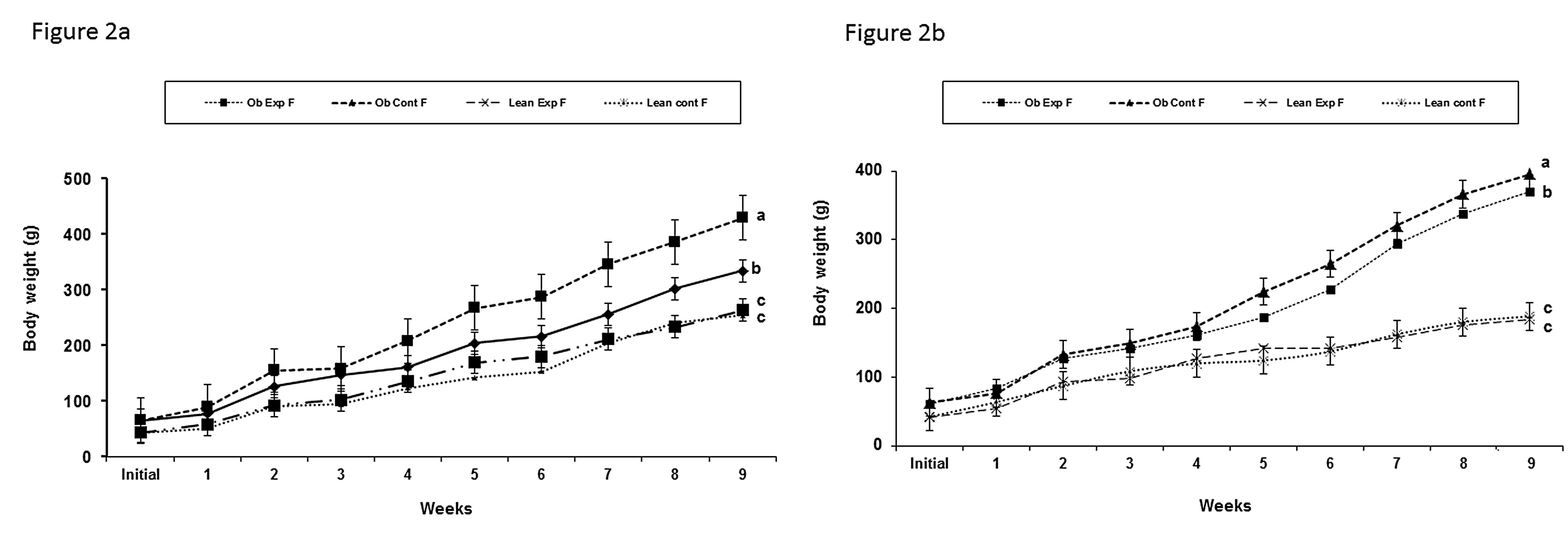
Figure 2A. Growth pattern of male experimental and control obese and lean rats. 2B. Growth pattern of female experimental and control obese and lean rats.Each line represents the mean of observations in 6 rats of obese and lean phenotype. Means with different superscripts are significantly different at P < 0.05, by two-way ANOVA followed by post hoc least significance test.
Food Intake
Obese and lean rats treated with BoNT/A showed significant decrease in food and water intake compared to control rats (Figure 3a and 3b). Among the BoNT/A treated rats, male rats had significantly higher food intake than female rats (P<0.05). BoNT/A treated rats (both obese and lean) showed drastic reduction in food intake on the 3rd week in males and 4th week in females, and then gradually improved so that by 7th week, the food intake has almost become equal in lean animals compared to control. The same trend was seen in obese rats, though the treated rats did not catch up with the control fully at the termination of the experiment.
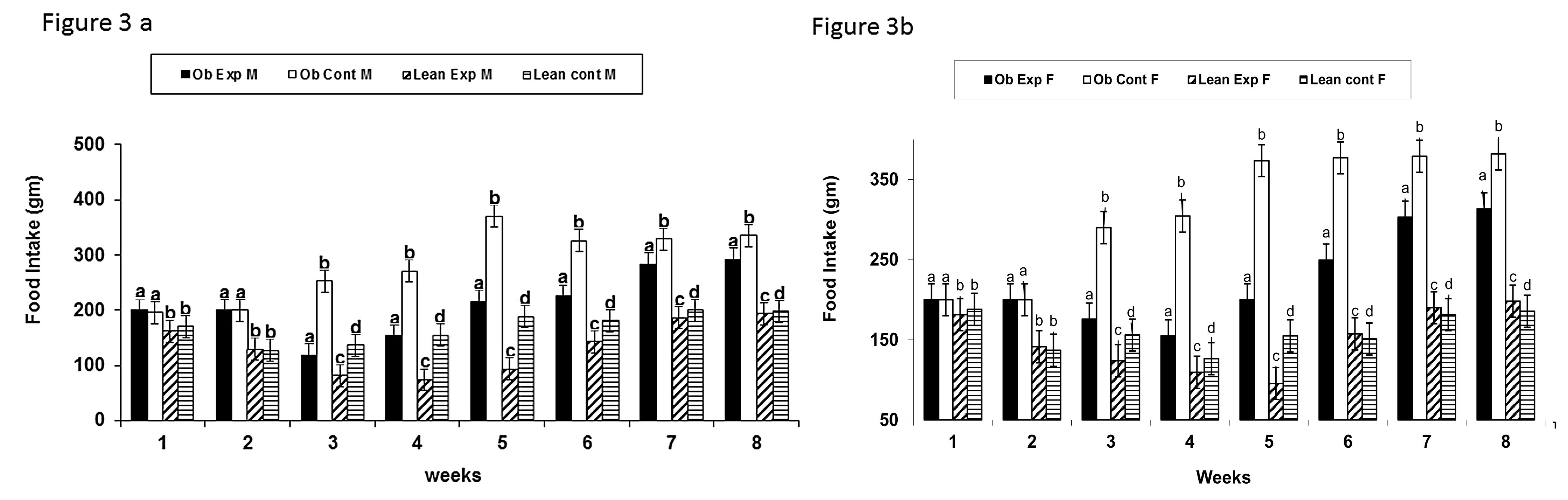
Figure 3A. Food intake of male experimental and control obese and lean rats. 3B. Food intake of female experimental and control obese and rats. Each bar represents a mean of observations in 6 rats of each phenotype. Means with different superscripts are significant different at P < 0.05.
Body composition
The TOBEC analysis showed that, there is a significant difference in lean body mass (LBM) and total body fat between the genders (higher in males) in obese and lean phenotypes of control and BoNT/A injected rats (P < 0.05). Obese mutants had significantly higher body fat and low LBM as compared to lean phenotypes (Table.1). However, between the control and experimental obese rats, experimental obese rats had significantly lower LBM and total body fat compared to control obese rats. BoNT/A injection showed similar effects between the female obese rats. Among the lean rats of both groups, no significant difference in-terms of LBM and fat were observed.
Table 1. Body composition of obese and lean experimental and control rats (n=6)
|
Parameters |
Group – I |
Group – II |
Group – III |
Group-IV |
||||
|
Male |
Female |
Male |
Female |
Male |
Female |
Male |
Female |
|
|
Body weight (g) |
334.00* ±36.58 |
370.50* ±22.68 |
429.00 ±24.86 |
395.66 ±28.22 |
262.00 ±21.48 |
183.25 ±12.08 |
268.00 ±22.08 |
188.62 ±14.48 |
|
LBM (g) |
192.66* ±28.48 |
184.24* ±22.66 |
176.38 ±32.66 |
178.62 ±24.64 |
246.64 ±12.68 |
172.33 ±10.55 |
248.62 ±11.66 |
174.00 ±12.38 |
|
Fat (g) |
198.24* ±38.46 |
168.44* ±9.89 |
228.66 ±36.88 |
182.66 ±32.68 |
36.68 ±6.86 |
22.96 ±2.89 |
38.46 ±5.88 |
24.38 ±2.66 |
|
Fat % |
45.88* ±28.06 |
44.48* ±22.33 |
47.83 ±32.06 |
46.24 ±24.36 |
13.98 ±8.26 |
12.54 ±2.28 |
14.02 ±6.86 |
12.86 ±1.88 |
|
FFM (g) |
102.66* ±18.68 |
88.76* ±16.66 |
98.68 ±22.46 |
84.33 ±14.52 |
223.89 ±14.68 |
168.24 ±12.24 |
216.96 ±12.06 |
164.22 ±11.08 |
LBM – Lean body mass, Fat – Total fat content, FFM – Fat free mass. Significant differences were seen between the groups. * Significantly different at P < 0.05, by repeated measures of ANOVA. Values are mean ± S.E. Group – I - BoNT/A injected obese male and female rats; Group – II- Positive control obese male and female rats; Group – III- BoNT/A injected lean male and female rats; Group – IV- Positive control lean male and female rats
Muscle conduction velocity (MCV)
MCV measured in obese and lean rats of both groups and the detection, amplification and recording of changes in voltage received/produced by underlying masseter muscle were studied. For this, the experimental and control rats were restrained by giving mild Isoflurene anaesthesia and 0.5 mV current was given to rats, twice at 100 mSec interval. MCV was calculated at maximum and minimum and average was taken as final value and expressed as Cm/Sec. In obese male and female rats, the MCV is significantly reduced on the experimental side compared to control side (p < 0.05) (Fig.4a -4d). No significant change in MCV was seen among both the genders in lean rats in experimental (right) and control (left) side (Figure 5a-5d). In general, the MCV of obese rats was reduced on experimental side when compared to the experimental side of lean rats (Table 2).
Table 2. Muscle Conduction Velocity in lean and obese rats (n=6)
|
Rats phenotypes |
Experimental side (Right) |
Control side (left) |
|
Obese male |
0.127 ± 0.07* |
1.67 ± 0.10 |
|
Obese female |
0.233 ± 0.068* |
1.82 ± 0.088 |
|
Lean male |
0.922 ± 0.14 |
0.73 ± 0.008 |
|
Lean female |
1.051 ± 0.15 |
0.737 ± 0.09 |
|
Obese (Male + Female) |
0.010 ± 0.074 |
0.94 ± 0.11 |
|
Lean (Male + Female) |
0.933 ± 0.14* |
0.78 ± 0.08* |
For the multiple comparisons between right side and left side for MCV activity of lean and obese rats, ANOVA was carried out using Duncan’s multiple range tests. Difference between the pooled samples (Males + females) was determined by student’s unpaired “t” test. *P<0.05 was considered significant.
 Figure 4. Muscle conduction velocity (MCV) obese phenotypes. 4a. MCV of control obese male rats. 4b. MCV of experimental obese male rats. 4C. MCV of control obese female rats.4d. MCV of experimental obese female rats.
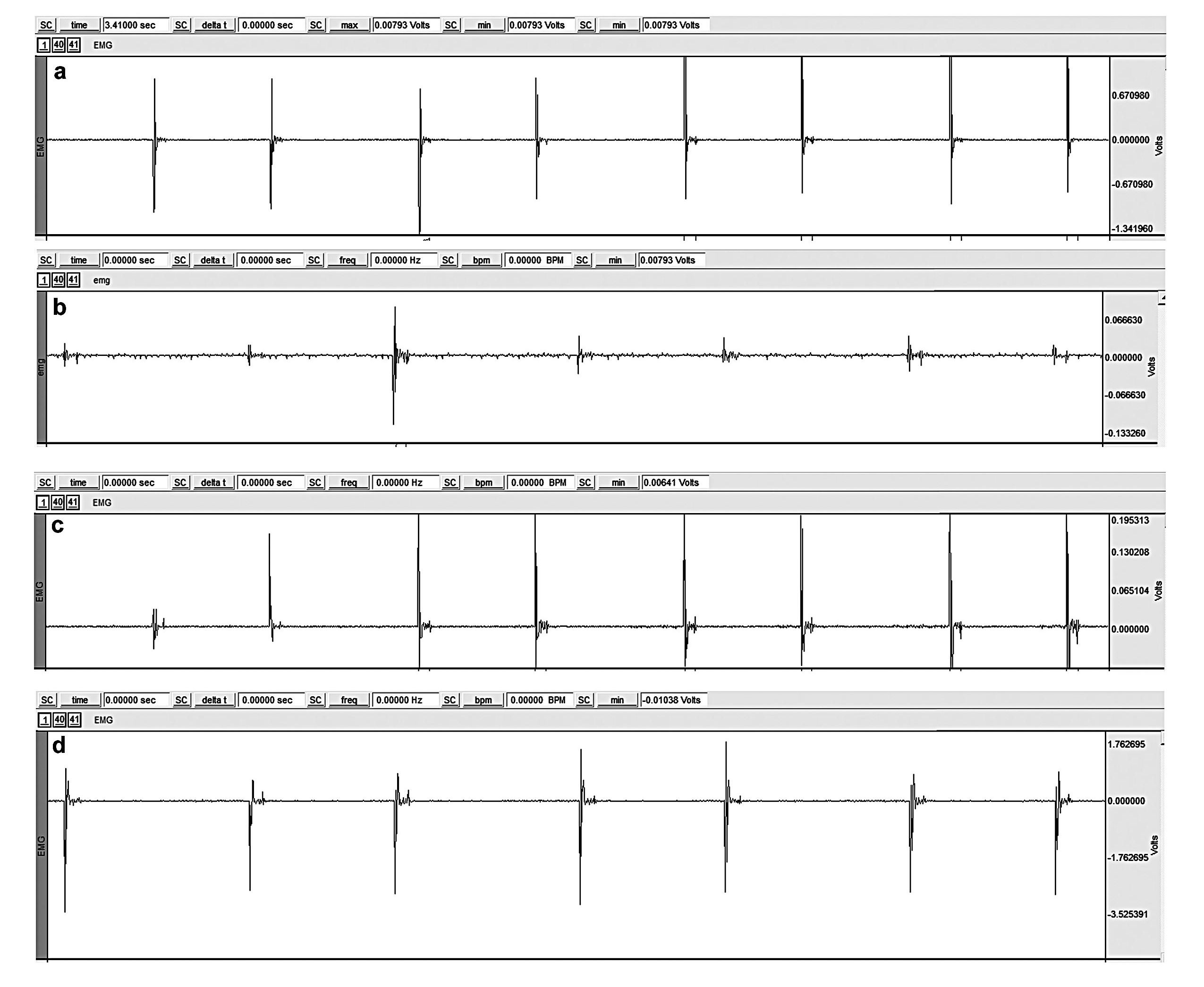
Figure 5. Muscle conduction velocity (MCV) lean phenotypes. 5a. MCV of control lean male rats. 5b. MCV of experimental lean male rats. 5C. MCV of control lean female rats. 5d. MCV of experimental lean female rats.
Discussion
Proper modulation of the normal growth process or alteration of aberrant growth patterns requires a thorough knowledge of the factors affecting growth. The mechanism of growth is well explained in functional matrix theory and the growth potential of skeletal structures is influenced by the functional capacity of the neighbouring tissues (Kiliaridis, 1995). The development of the cranial vault is largely dependent on the pressure exerted by the increasing size of the brain or the increased intracranial pressure. In case of the mandible, the masticatory function aided by the surrounding musculature dictates its morphology. In the present study the primary morphological and structural changes seen among the experimental and control groups are in consistent with the functional matrix hypothesis.
There was significant difference in terms of weight loss between obese and lean animals compared to their corresponding controls, in both the genders, albeit it was more in the former compared to the latter. These were discernible as early as 2nd week of administration of BoNT/A, which was in accordance with the previous studies of Killiardis (1995) in normal rats (Saito et al., 2002). The difference in the extent of reduction in body weight between lean and obese animals could be due to masticator hypofunction in the latter. There is a definite gender difference in terms of BoNT/A administration, in both obese and lean animals, the males being more severely affected than females. More in depth study is warranted to understand this difference between genders, which could be due to hormonal differences.
The reduction in food intake due to toxin injection happened on 3rd and 4th week in both the lean and obese rats, but then there was a gradual increase in food intake as the effect of toxin wore off with time, resulting in near normal food intake at the end of the study, i.e., 8th week in lean animals. Same thing happened with obese animals, though they did not catch up with the controls as much as lean animals did, at the termination of the study. This also reflected on the extend of weight loss in both the groups, it is almost double in obese animals (in both genders) than in lean animals compared to their controls. Thus, it seems obvious that the effect of this neurotoxin is more severe in obese animals and it is primarily due to its hypophagic effect.
In the present study, BoNT/A administration also resulted in the reduction of MCV in WNIN obese rats. MCV is influenced by the thickness of the fat layer (white adipose tissue) under the skin and animal movement while carrying the analysis (Rowlerson et al., 1988). The MCV is also dependent on the type of muscle fibers present and their quantity. The insertion of the electrode also determines the MCV, as there is a difference in the fiber architecture of superficial and deep master muscle in rats. The Type I fibers are either absent or rarest in the superficial part of masseter, but most common in deep layers (Papa et al., 2007). The predominant presence of Type II muscle fibers increases the MCV and that of Type I reduces MCV (Mario, 2008). The reduction in MCV of the obese rats could be accounted for reduced masticatory contractile activity after use of BoNT/A for correction of hyperactive muscles (MasakatsuKonno et al., 2005). BoNT/A cause short duration of motor unit potentials (MUP); polyphasic MUPs, decreased amplitude of compound motor action potential (CMAP) after a single nerve stimulus (most prominent in proximal muscle groups) thereby can cause reduction in MCV. The MCV of the control side is more in obese rats when compared to lean rats because the amount of Type II muscle fibres is more in obese phenotypes than to lean rats (Data not reported).
In the present study, lean rats had an increase in MCV in the experimental group compared to control, but the anthropometric parameters showed a decrease. In lean animals, the MCV increase in the experimental group may be attributed to nerve sprouting of Phase II action of BoNT/A. The increased MCV of the experimental group could also be due to the positional error of needle electrodes (Masakatsu Konno et al., 2005). However, the electromyography (EMG) used in this study is a three channel electrode which can also contribute to the varying results in lean animals. The differences in the amount of reduction in the MCV between the sexes are in accordance with the results of Celichowski (Celichowski and Celichowski, 2007).
The present study showed the effect of unilateral injection of BoNT/A on the motor control of the masseter muscles in obese and lean rats. The characterization of the motor control of masseter muscles assessed through its MCV, and the values showed a significant difference between obese and lean phenotypes of experimental groups. The reduced MCV on the experimental side as compared to control side suggest reduced muscular function, well supported by the increase in the muscle fiber width (Shivaram et al., 2015) and decreases in anthropometric measurements of experimental side in obese males and females (Data to be communicated).
In conclusion, the present study was to evaluate the effect of BoNT/A, when injected unilaterally into the masseter muscle on the right side in superficial and deep layers of genetically inherited WNIN obese and lean rats. The rats were monitored for 45 days and weekly body weight, food intake and MCV measurements were performed. It was found that the weekly body weights of rats in both the sexes and phenotypes reduced in experimental animals as compared to control and more in obese rats. The MCV reduced on the experimental side as compared to control in obese male and female rats. But the result was opposite in lean rats of both sexes. The difference is also among the sexes which suggest that the muscle architecture not only varies in obese/lean rats but also as per gender.
Acknowledgements
The authors acknowledge the Indian Council of Medical Research (ICMR), Government of India, New Delhi, for permission to carry out the work at the National Institute of Nutrition, and thank Ms. P. Sailaja, Technical Officer (A), for her cooperation in TOBEC analysis. Authors also thank Dr. B. Sesikeran, former director, and Dr. R. Hemalatha, Director, National Institute of Nutrition for their support in this work.
Conflicts of interest: Nil
References
Bhanuprakash GR, Vidyulatha V, Nawajes M. 2009. A novel rat model with obesity associated retinal degeneration. Investigative Opthalmology and Visual Science, 50:3456-3463.
Celichowski J, Celichowska HD. 2007. The number of motor units in medial gastroneimus muscle of male and female rats. Journal of Physiology and Pharmacology, 58:821-828.
Chi-Yang T, Wan CC, Yi-Hsuan L, Chih-Mong T. 2009. Effects on craniofacial growth and development of unilateral botulinum neurotoxin injection into the masseter muscle. American Journal Orthodontics and Dentofacial Orthopedics, 135:142.e1-142.e6.
Ghosh A, Bose K, Chakravarti S, AsitBaran DC, Chatopadhyay J, Dasgupta G. 2004. Relationship of waist circumference a waist hip ratio with metabolic risk factors of coronary heart disease among bengalee hindu men of Kolkata, India. Journal of the Royal Society of Health, l124:86-91.
Ghosh A, Bose K, Das Chaudhuri AB. 2003. Association of food patterns, central obesity measures and metabolic risk factors for coronary heart disease (CHD) in middle aged bengaleehindu men, Calcutta, India. Asia Pacific Journal of Clinical Nutrition, 12:166-171.
Giridharan NV, Lakshmi CN, Raghuramulu N. 1997. Identification of impaired glucose tolerant rats from a Wistar inbred rat colony. Laboratory Animal Science, 47(4):428-431.
Giridharan NV, Satyavani M, Harishankar N. 1996. WNIN/Ob A new rat model for the study of obesity. Scandinavian Journal of Laboratory Animal Science, 23(3):131-137.
Harishankar N, Kumar PU, Sesikeran B, Giridharan NV. 2011. Obesity associated pathophysiological histological changes in WNIN obese mutant rats. Indian Journal of Medical Research, 134:330–340.
Harishankar N, Vajreswari A, Giridharan NV. 2011. WNIN/GR-Ob – An insulin-resistant obese rat model from inbred WNIN strain. Indian Journal of Medical Research 134:320-329.
Hatheway CL. 1995. Botulism: the present status of the disease. Current Topics in Microbiology and Immunology, 195:55-75.
Kiliaridis S. 1995. Masticatory muscle influence on craniofacial growth. Acta Odontologica Scandinavica, 53:196-202.
Maik E, Rainer L, Gesine T, Werner G. 2000. The Effect of local injection of botulinum toxin A on the parotid gland of the Rat: An Immunohistochemical and morphometric study. Journal of Oral and Maxillofacial Surgery, 58:1251-1256.
Mario P. 2008. Botulinum toxin type A (Botox for the neuromuscular correction of excessive gingival display on smiling (gummy smile). American Journal Orthodontics and Dentofacial Orthopedics, 133:195-203.
Masakatsu K, Koshi S, Toshinori M, Hideo M. 2005. Relationship between the direction of mandibular growth and masseter muscle conduction velocity. American Journal Orthodontics and Dentofacial Orthopedics, 128:35-44.
Morbach CA, Brans YW. 1992. Determination of body composition in growing rats by total body electrical conductivity. Journal Pediatric Gastroenterology Nutrition, 14:283-292.
Padmavathi IJN, RajenderRao K, Venu, L, Manisha GK, Anand Kumar Ch, NarasimaRao. 2010. Chronic maternal dietary chromium restriction modulates visceral adiposity probable underlying mechanisms. Diabetes, 59:98-104.
Papa IN, Falou D, Adjaratou WT, Abdou S. 2007. Relationship between orthodontic anomalies and masticatory function in adults. American Journal Orthodontics and Dentofacial Orthopedics, 131:216-22.
Peter M, Markus N. 2003. Handbook of botulinum toxin treatment. 2nd ed. Cambridge: Mass: Blackwell Science, pp. 9-22.
Porter JD, Strebeck S, Capra NF. 1991. Botulinum-induced changes in monkey eyelid muscle. Comparison with changes seen in extraocular muscle. Archives of Ophthalmology, 109:396-404.
Richard MJ. 1972: Normal neonatal mandibular growth not affected by muscular inactivity. Journal of Dental Research, 51:950.
Rowlerson A, Mascarello F, Barker D, Saed H. 1988. Muscle-spindle distribution in relation to the fibre-type composition of masseter in mammals. Journal of Anatomy, 161:37.
Saito T, Ohnuki Y, Yamanec Y, Saeki Y. 2002. Effects of diet consistency on the myosin heavy chain mRNAs of rat masseter muscle during postnatal development. Archives Oral Biology, 47:109-115.
Shivaram N, Uday KP, Madhusudhanachary P, Sailaja P, Giridharan NV, Harishankar N. 2016. Botulinum neurotoxin effects on masseter muscle fibre in WNIN obese rats – scanning electron microscope analysis. Scanning 38:396-402.
Venu L, Harishankar N, Krishna TP, Raghunath M. 2004. Does maternal dietary mineral restriction per se predispose the offspring to insulin resistance? Eurpean Journal of Endocrinology, 151:1-9.